Save
Share
Keep reading
authenticated by

Save
Share
Keep reading
Vietnamese ethnic groups
Learn about the Hre people, a community with a unique identity and rich traditional culture spanning generations.
Long-standing residents in the Truong Son - Tay Nguyen region, but most of the Hre people live on wet rice cultivation, a few work on slash-and-burn cultivation. They preserve many traditional identities, have many rituals, festivals and many musical instruments. Let's find out information about the Hre ethnic group, Vietnam with iGuide.ai!
The Hre have existed for a long time in the Truong Son - Tay Nguyen region, a place rich in cultural identity and tradition. Some scholars believe that this ethnic group is related to historical changes, such as floods and migrations. Known by many names such as: Cham Re, Chom, Thuong Ba To, and many others, the Hre have been preserving and developing their unique cultural values through many generations.
The Hre people currently live mainly in the western part of Quang Ngai province, in districts such as Son Ha, Ba To, and Minh Long. In Binh Dinh province, they are concentrated in An Lao district. A small number of Hre people are also present in Kon Tum province, specifically Kon Plong district, creating a widely distributed network in the region.
With a population of 149,460 according to the 2019 census, the Hre are a significant community among Vietnam's ethnic minorities, with a balance between men and women. The Hre language belongs to the Mon-Khmer group of the Austroasiatic language family, and developed a Latin script before 1975. However, due to lack of preservation, this script has now been somewhat lost.
Traditional Hre society operated on the basis of customary law and informal institutions, with the prominent role of village elders and village heads. Social stratification was once quite deep, with a servant system and land disputes. Nevertheless, community relations remained central to Hre village life. Since 1986, this traditional model of social management has been replaced by a local government system.
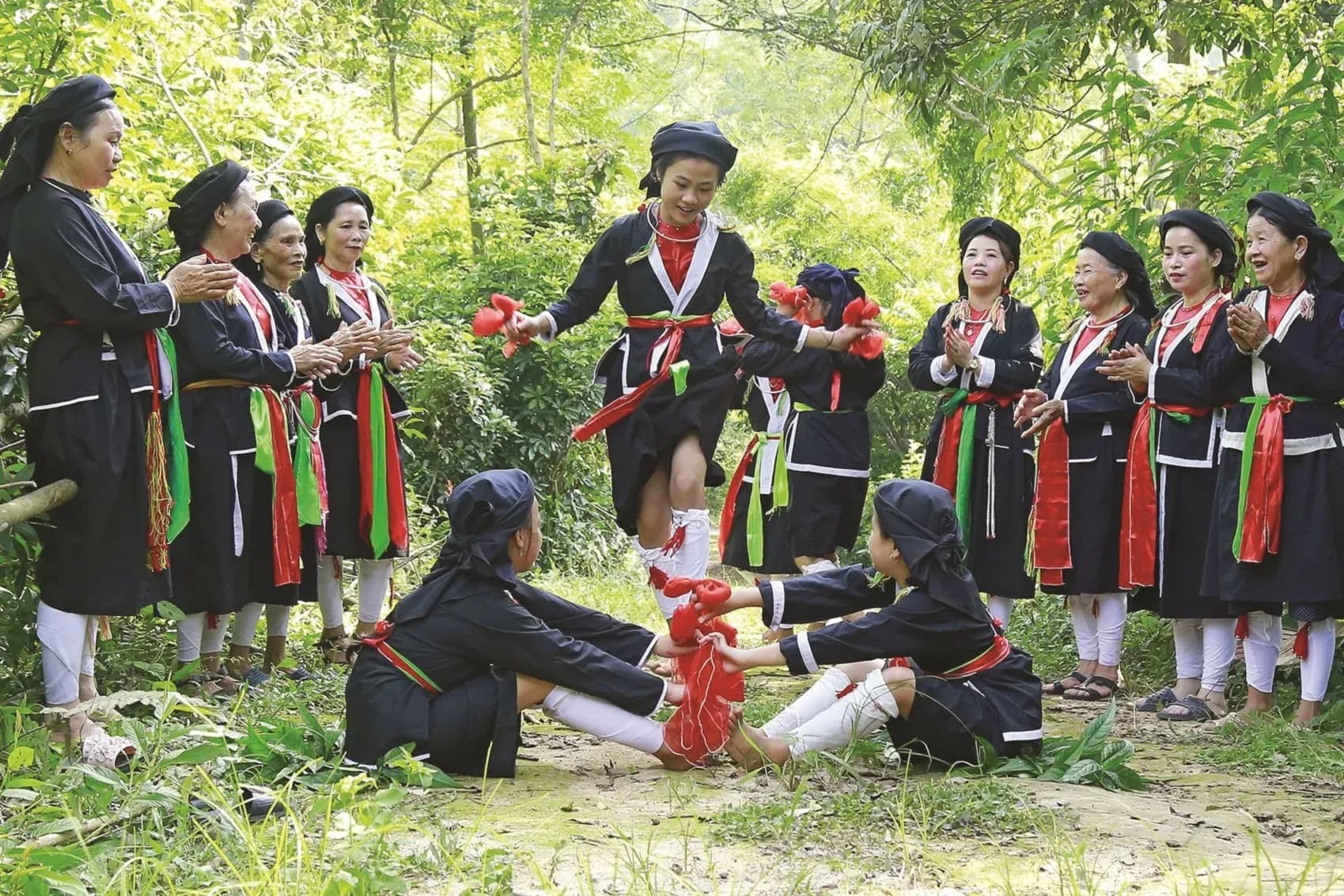
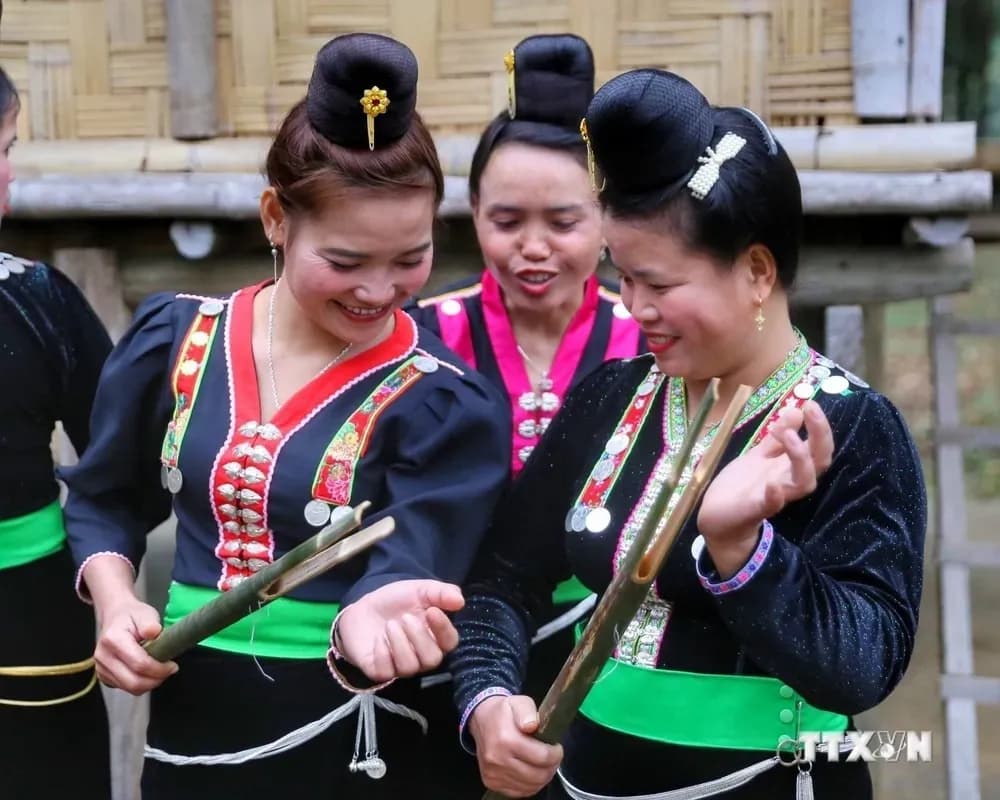
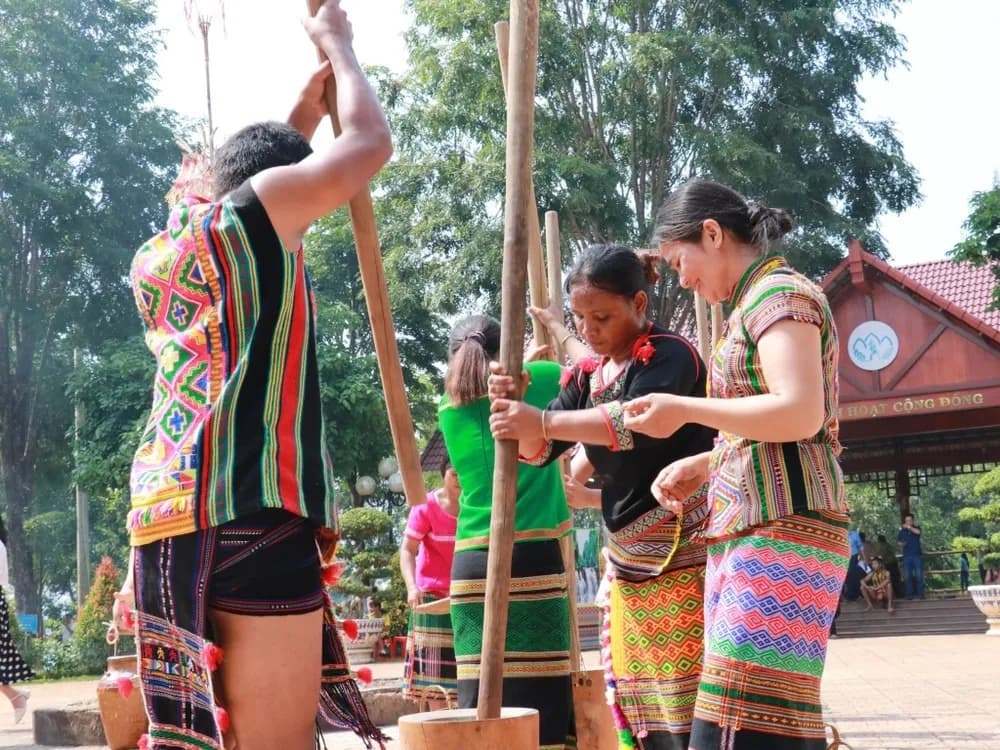
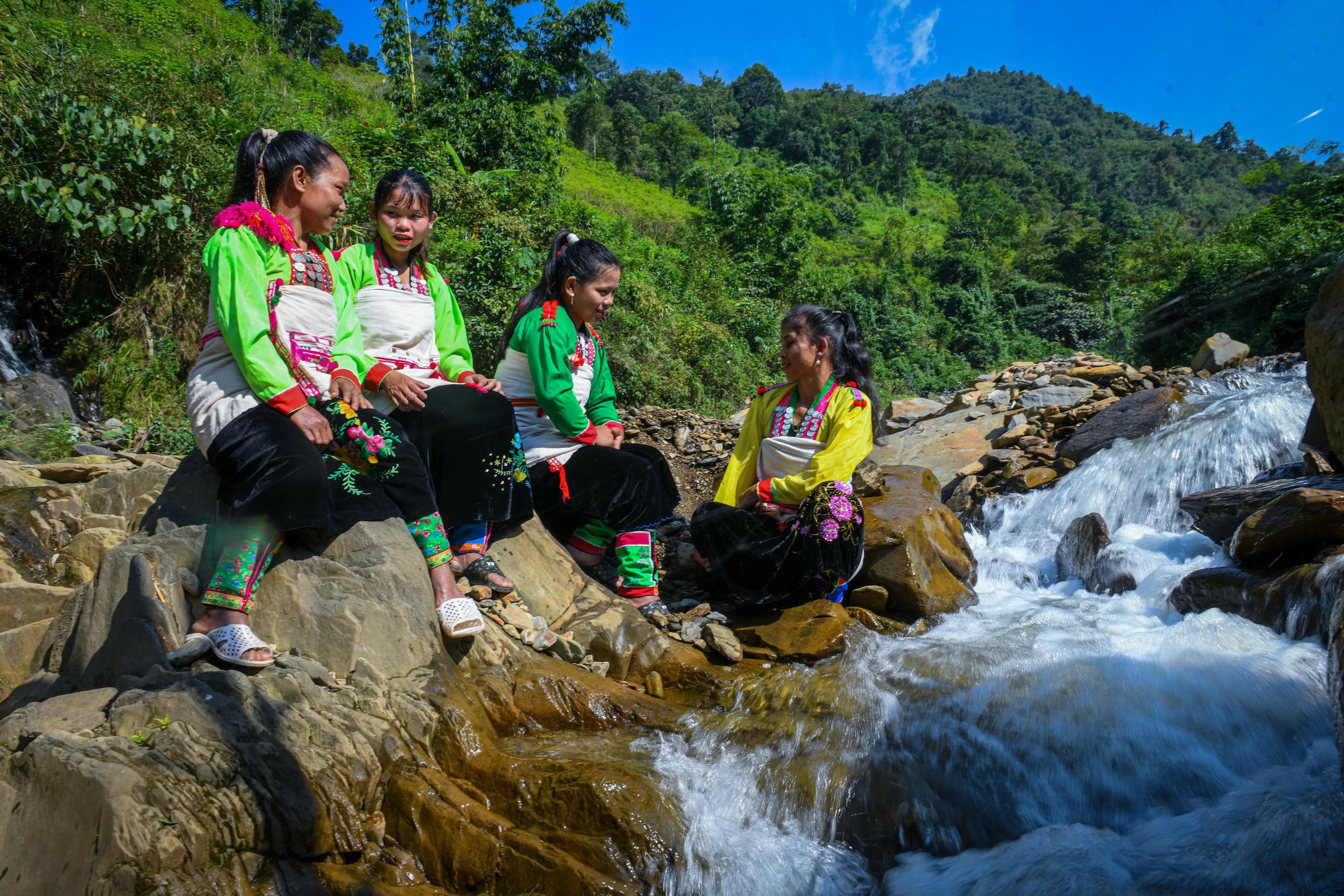
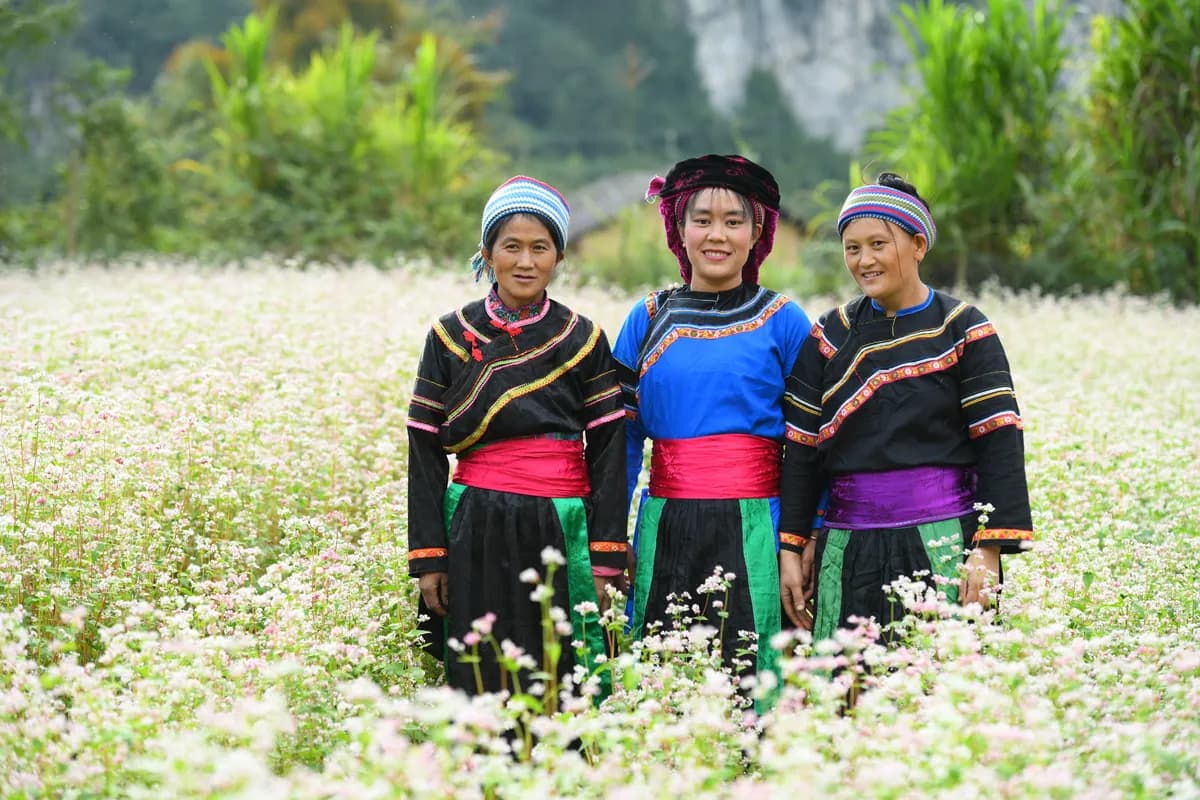
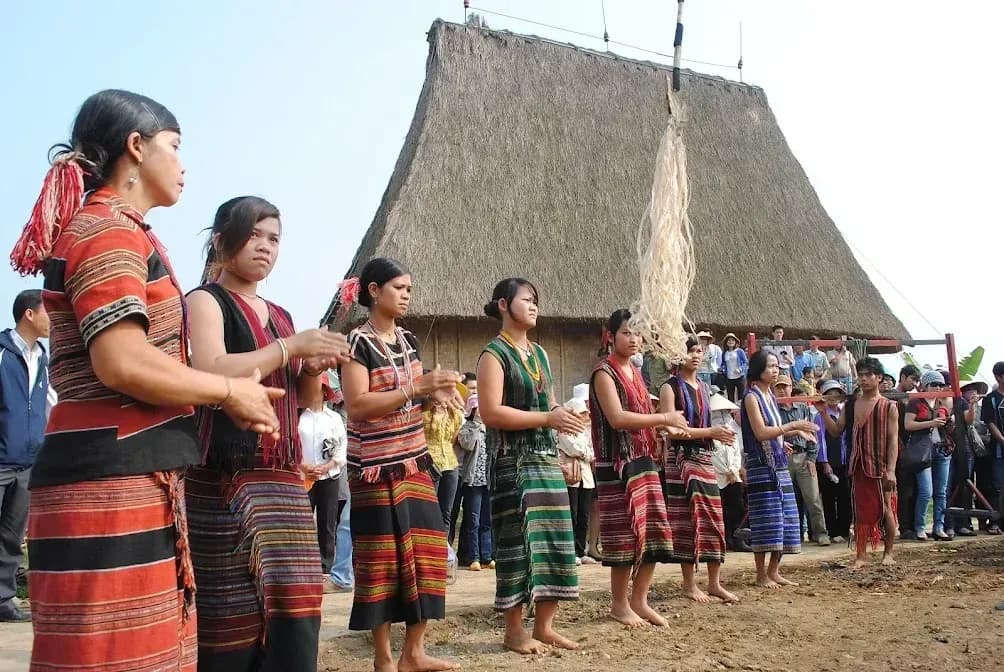
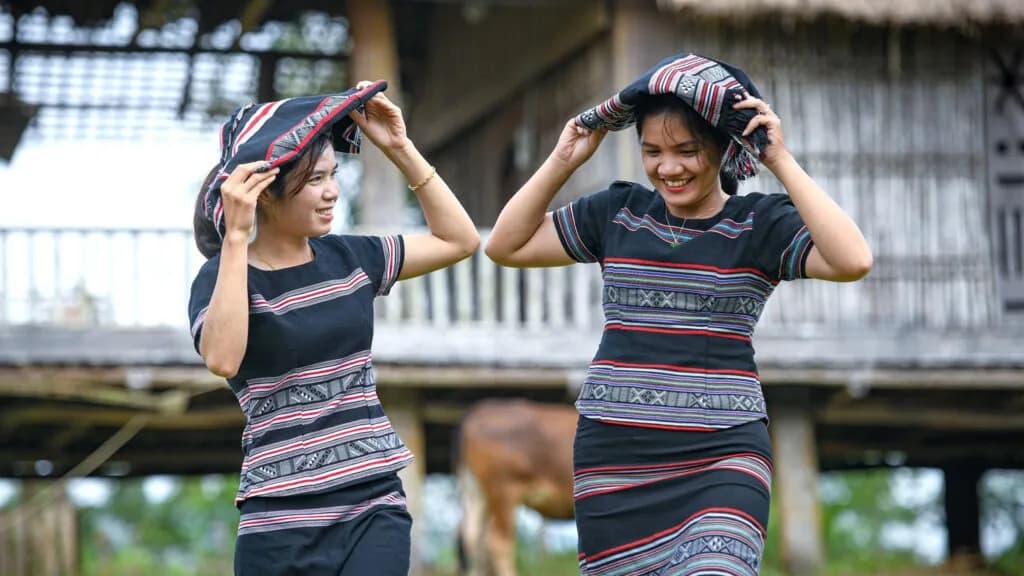
The Hre have a distinctive lifestyle of long houses or stilt houses built on sloping land. Their clothing reflects cultural exchange, with men wearing long loincloths with fringes, and women wearing five-panel shirts with special buttoning.
The Hre have a rich spiritual world, believing in spirits and the existence of ghost villages, as opposed to the human world. They worship gods (Yang), especially respecting the gods of crops and ancestor worship, factors that play a decisive role in daily life.
In culinary life, rice is the main dish, along with wine and homemade wine, which are indispensable drinks during holidays. The Hre also have a passion for music, using gongs, drums and traditional instruments to enrich their cultural life.
Although education has improved, with a literacy rate of nearly 68%, challenges remain in accessing higher education. Hre marriage is typically endogamous, with rituals and festivals remaining an important part of community life.
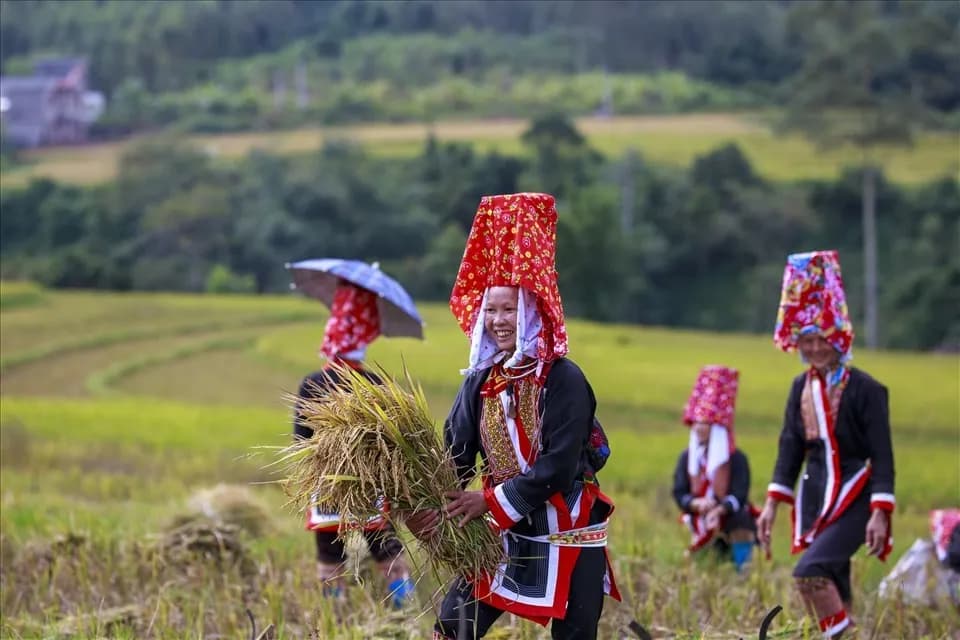
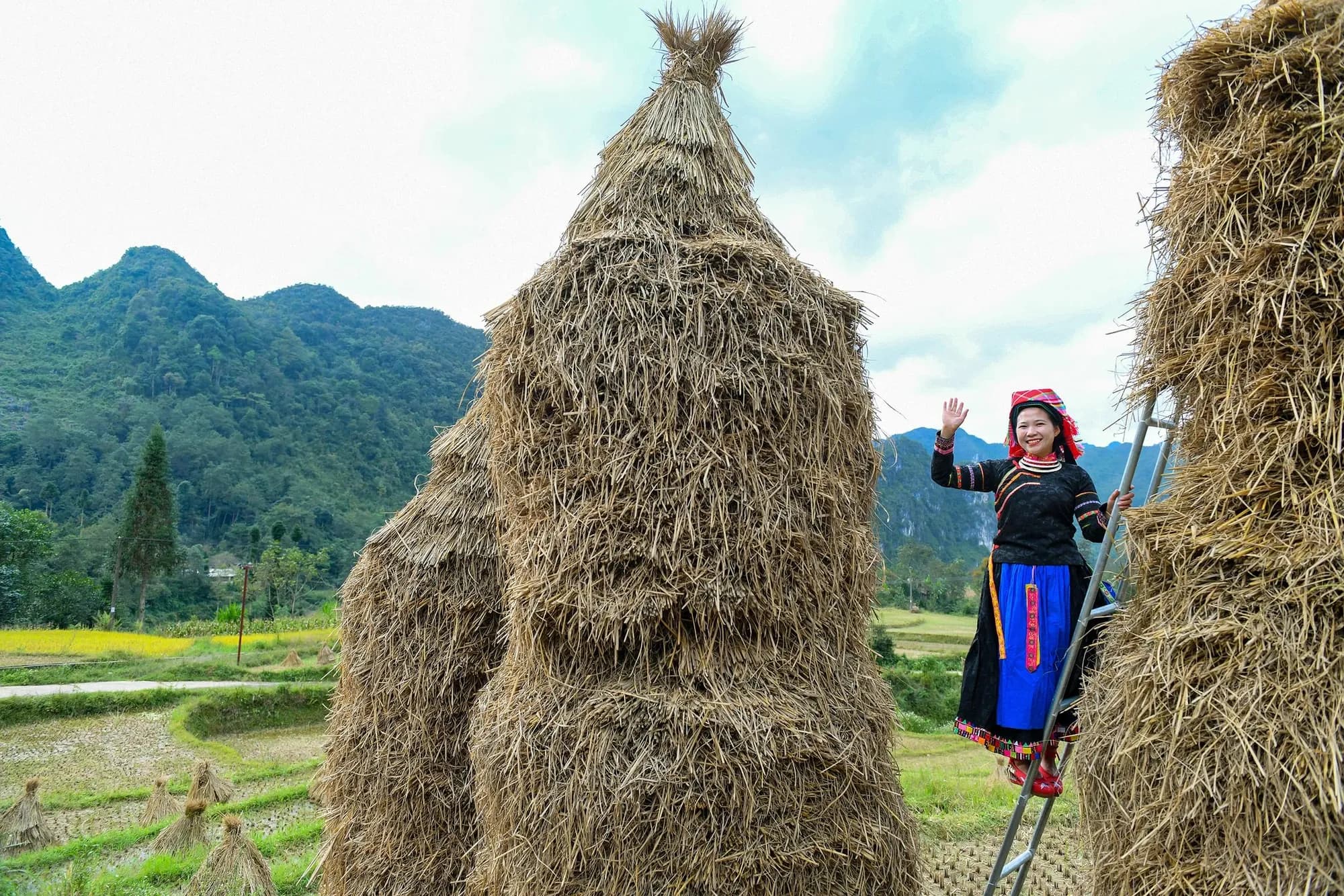
The Hre live mainly from agriculture, with slash-and-burn cultivation and wet rice cultivation similar to the Vietnamese in the South Central Coast. Animal husbandry and hunting are also important complementary activities. Although weaving and weaving skills have declined, bartering is still common. The 2019 census data shows low unemployment, but economic challenges remain, with a poverty rate of 30.3%.
Above is interesting information about the Hre ethnic group, with a vivid and rich picture of their life and culture. Hopefully, through this, you will have the opportunity to interact and immerse yourself in the unique values of the Hre people in the near future! Thank you for choosing iGuide.ai to accompany you on your interesting experiences!
Source:
- Ethnic groups in Vietnam (National Political Publishing House Truth)
- Basic characteristics of 54 ethnic minorities in 2019 (Committee on Ethnic Minorities and General Statistics Office)
- Website of the Ethnic Committee, Website of Nhan Dan Newspaper
- Survey results collect information on the socio-economic status of 54 ethnic groups in Vietnam)
Log in to leave a comment. Log in
Be the first to comment.
React to this story
Curate
Sign in to curate