Save
Share
Keep reading
Save
Share
Keep reading
Vietnamese ethnic groups
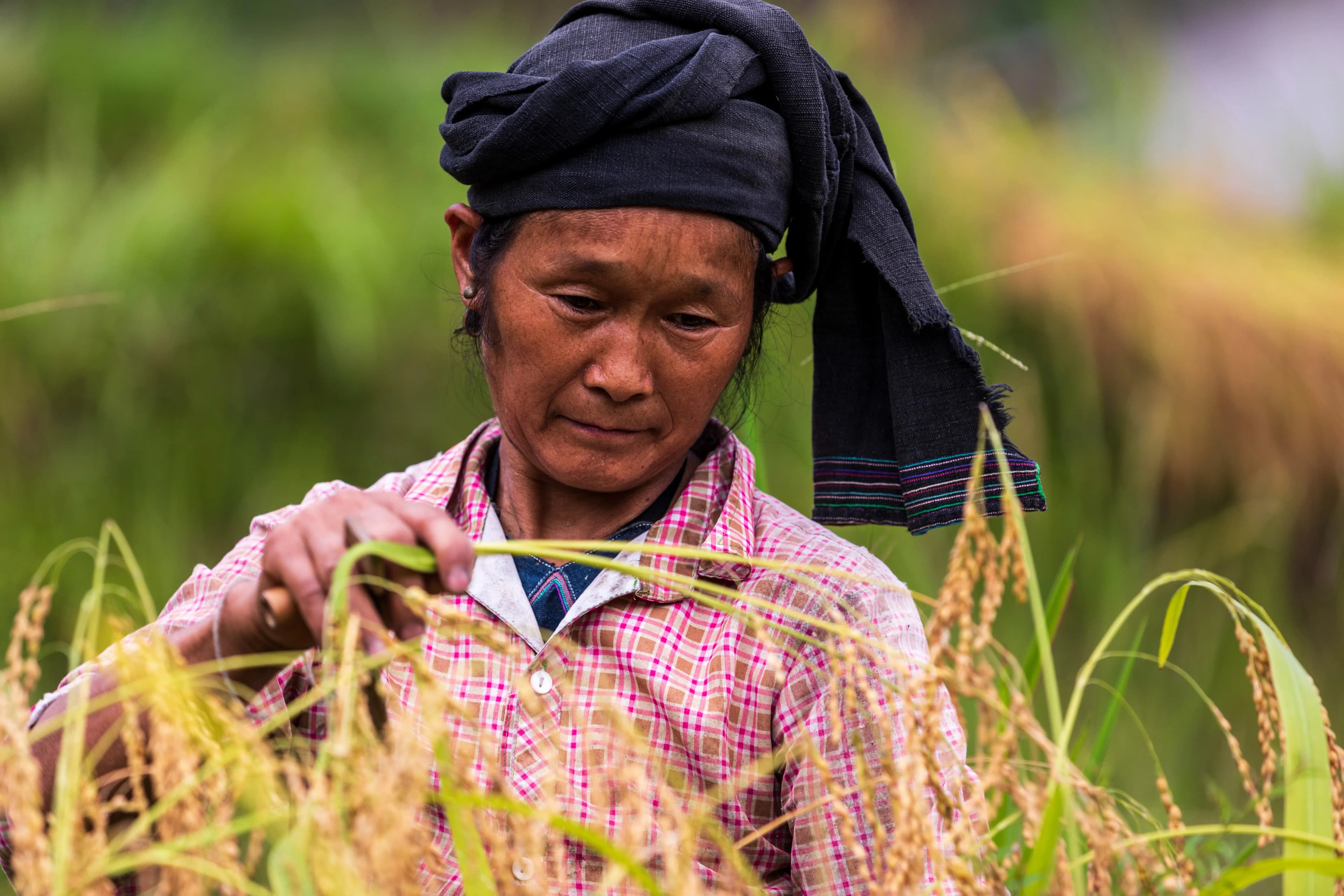
Explore the diverse life of the La Chi people, from culture to cuisine and traditions, in the mountainous regions of northern Vietnam.
The La Chi people have lived in the northern mountainous region of our country for a long time, currently residing most concentratedly in 4 communes: Ban Phung, Ban Diu, Ban Pang and Ban May in Xin Man district, followed by Hoang Su Phi and Bac Quang districts. Let's find out information about the La Chi ethnic group, Vietnam with iGuide.ai!
Historical origin The La Chi people have lived in the northern mountainous region of our country for a long time. Except for the Lung family, originally from the Nung people who migrated from Na Co (Yunnan, China) to Vietnam about 100-120 years ago, and the Vuong family, originally from the Chinese who recently came to our country, the majority of the La Chi people are considered to be the original residents here.
Currently, the La Chi people in Ha Giang are most concentrated in 4 communes: Ban Phung, Ban Diu, Ban Pang and Ban May in Xin Man district, followed by Hoang Su Phi and Bac Quang districts. In addition, they also live scattered in Dong Van, Meo Vac, Yen Minh, Quan Ba, Bac Me, Vi Xuyen districts and Ha Giang city. In Ban Diu commune, Xin Man district, Ha Giang province, the La Chi people live interspersed with the Tay, Dao, Nung and H'Mong people.
- Population: According to the 2019 Census of 53 Ethnic Minorities, the La Chi ethnic population is 15,126 people (of which, males: 7,523 people and females: 7,603 people); residing most concentratedly in Ha Giang and Lao Cai. - Language: Currently, in some localities, the La Chi people have almost completely forgotten their mother tongue. Many people only know how to speak Nung or Dao. Because it belongs to the Kadai language group, many words and pronunciations of La Chi are similar to Nung and Tay, so it is easy to learn.
The La Chi family is patriarchal. The father controls all household chores, from production, marriages to dealing with neighbors. The family is a common economic unit under the management of the father or the eldest son if the father is old and weak.
The La Chi also believe that each person has 12 souls, of which the two most important souls are located in the shoulders. The La Chi people worship ancestors for three generations, starting from the father's generation to the grandfather's generation and then the great-grandfather's generation. The La Chi people organize, manage and operate religious activities quite strictly.
The La Chi people live in houses that are half stilt and half ground. The ground is where the kitchen is located, the floor is where the family lives and does most of their activities. The house has a staircase. The floor consists of three rooms, about 6m wide and 7m long.
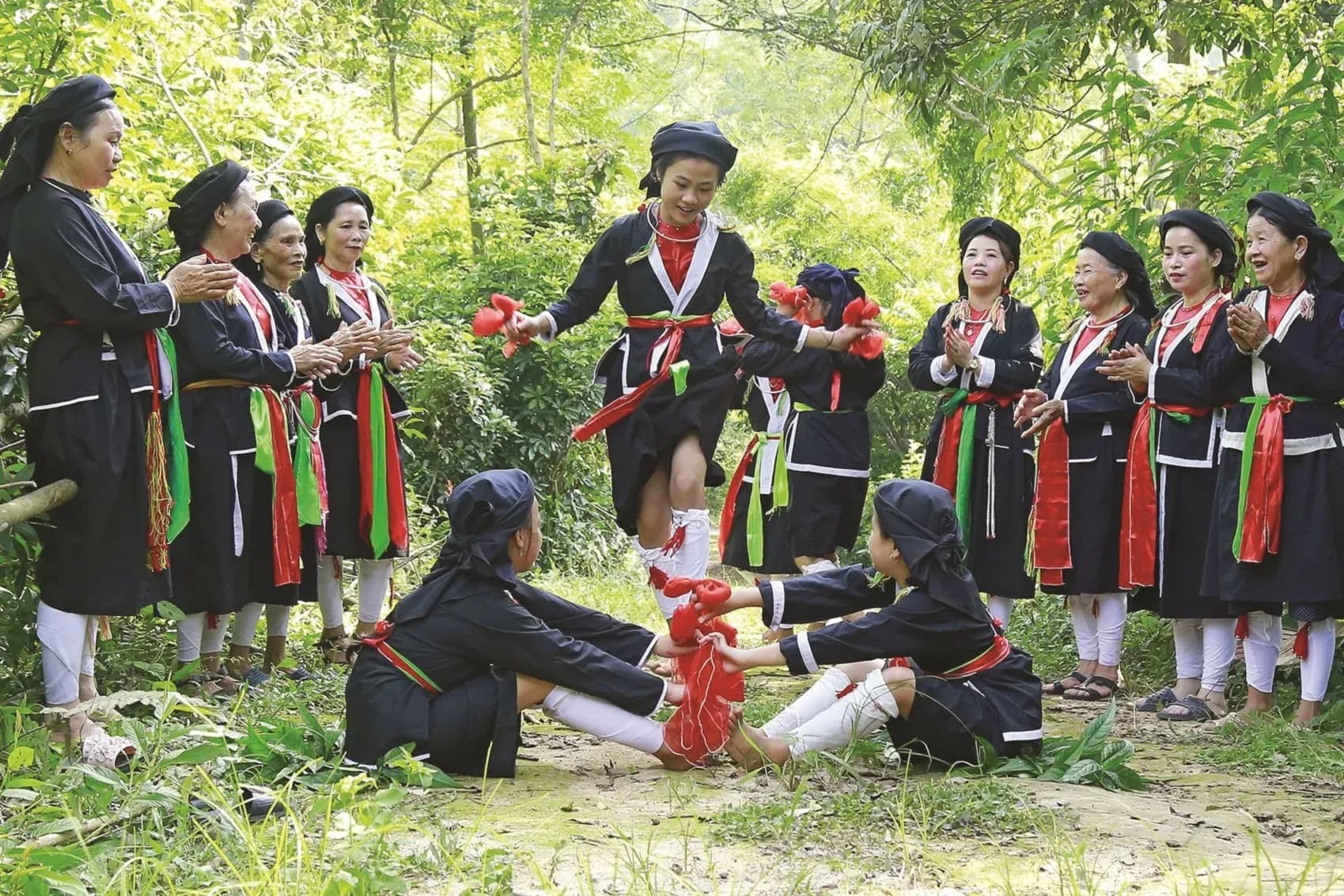
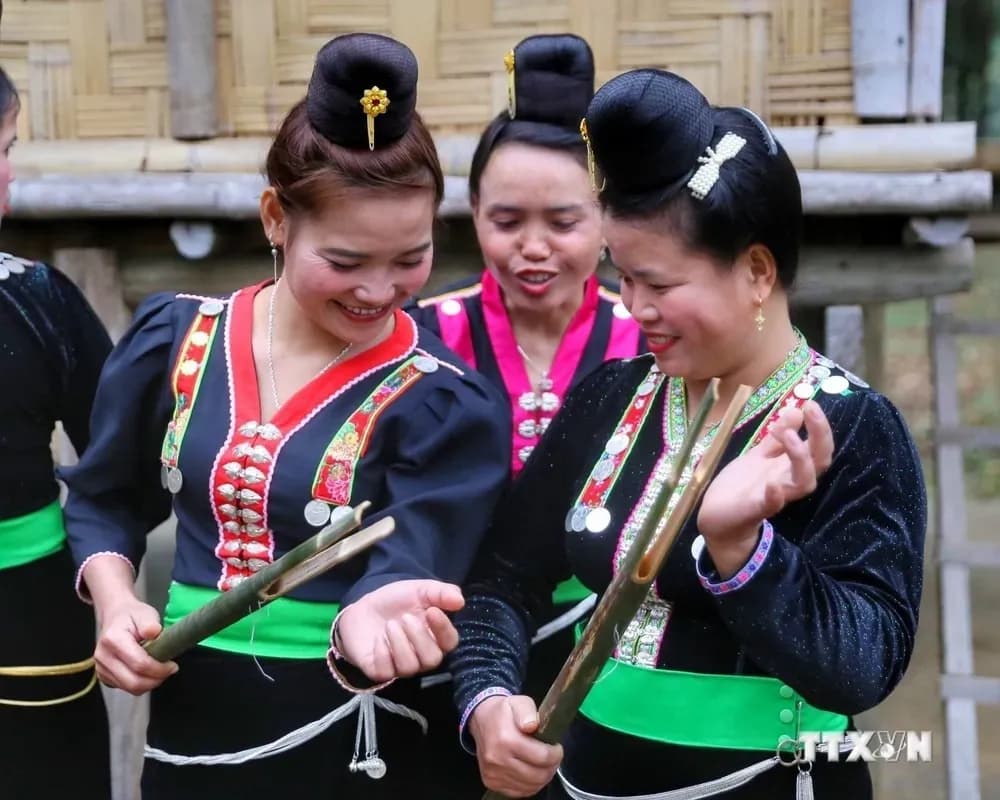
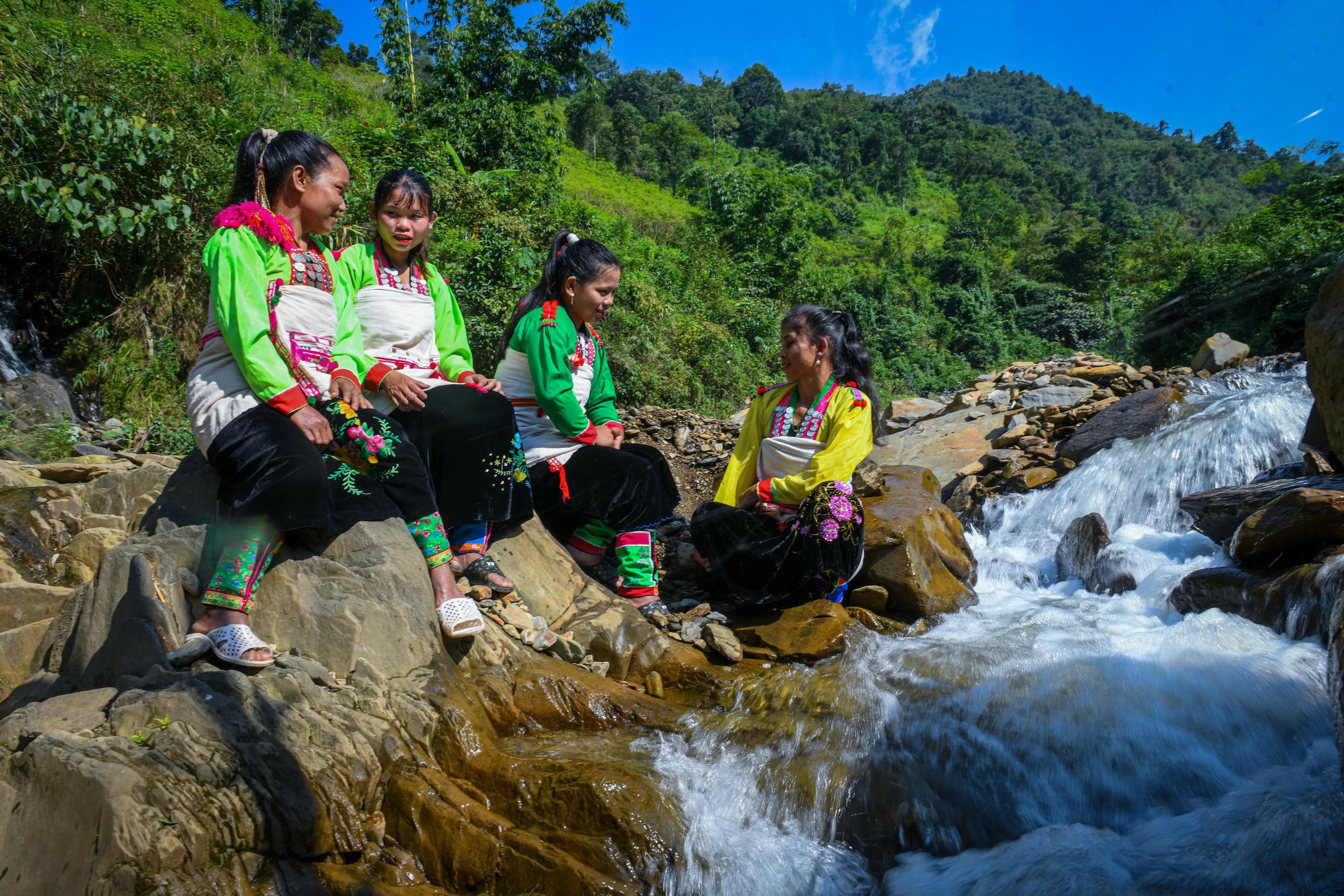
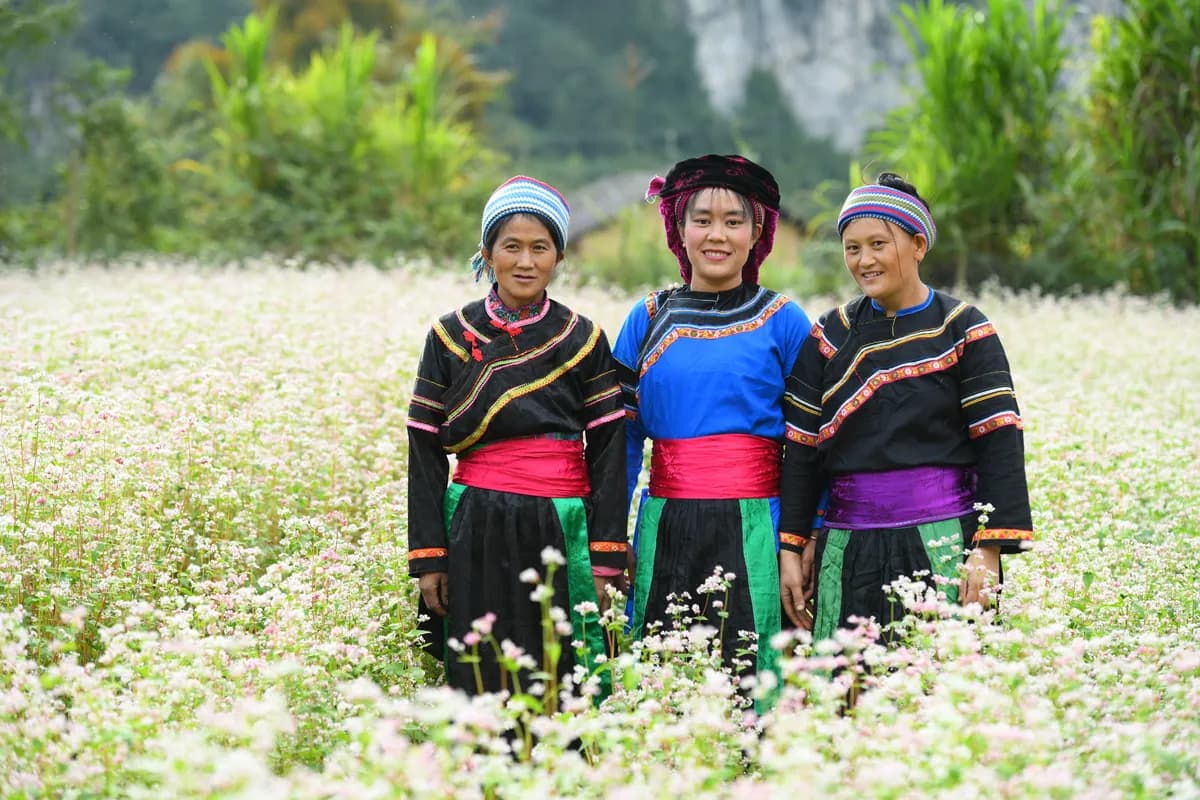
The traditional costume of La Chi women includes: scarf, shirt, bib, skirt, belt, bag, bracelet, earrings and cross-body. La Chi women in Nan Xin commune, Xin Man district, Ha Giang province, due to their relatively isolated living conditions, still preserve this traditional female costume. The costume of La Chi men includes: head scarf, long dress, pants and shoulder bag.
The La Chi people mainly eat rice. When cooking rice, they put the rice in a pan of boiling water. When the rice is almost cooked, they pour it into a colander, then put it in a steamer to continue cooking. The typical dishes of the people are dried buffalo skin and pickled meat. Wine is an offering and a common drink in the daily life of the La Chi people. The La Chi people smoke with pipes or water pipes.
According to the 2019 Survey of 53 Ethnic Minorities, the rate of people aged 15 and over who can read and write in common script is 64.8%, the general school attendance rate of children at primary level is 100.4%. The general school attendance rate of children at lower secondary level is 87.9%, the general school attendance rate of children at upper secondary level is 39.1%, the rate of out-of-school children is 17.9%.
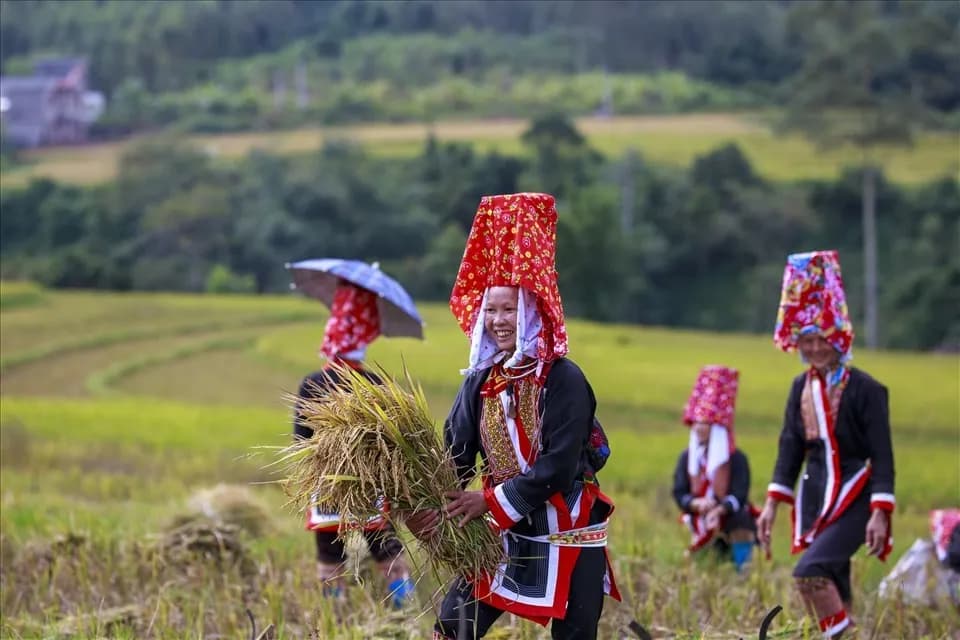
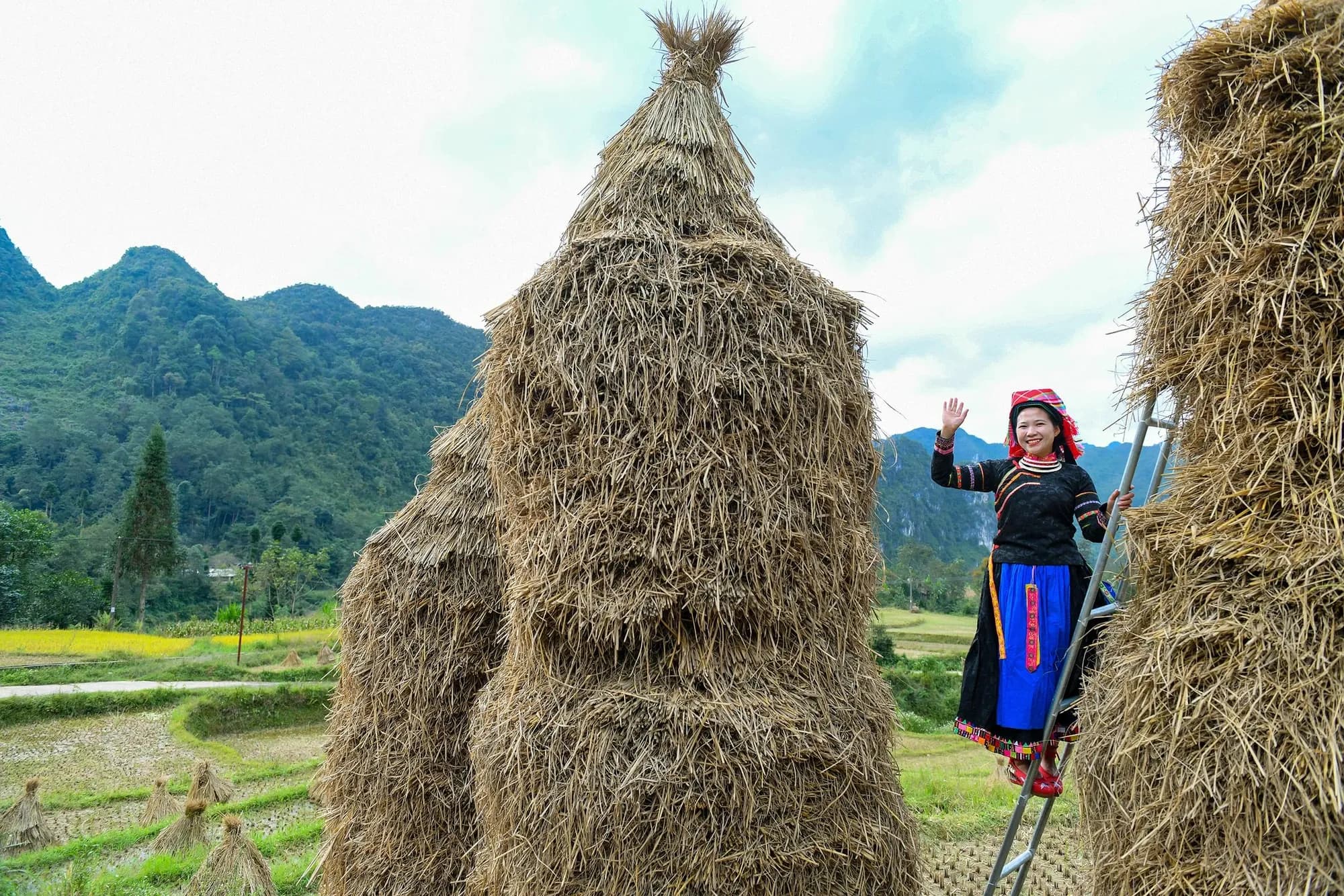
Up to now, farming is still the main livelihood of the La Chi people. They grow both sticky rice and non-sticky rice. There are three types of non-sticky rice: kim phai tho with long grains, which cooks sticky rice but has low productivity; kho ti tung and kho ta bi, of which kho ta bi has high productivity and has now become the main rice variety. There are two types of sticky rice: peo nhi nhi and peo y lo. These are delicious local sticky rice varieties and are grown mainly for use during holidays and Tet. Tea trees have truly become a valuable commodity of the La Chi people since the 1990s. Raising fish in rice fields is also a new economic activity but tends to become popular among the La Chi people.
Livestock and poultry farming among the La Chi people is quite developed, including: buffalo, horses, goats, pigs, chickens, ducks...; in addition to contributing to increasing people's income, they are also used as draft animals and as offerings in rituals.
The weaving profession of the La Chi people still exists but is no longer as developed as before. The weaving of the La Chi people is quite developed. The people weave household items such as: rice drying mats, rice bins, and fences to hold rice and transport it from the fields to the house. In addition to weaving household items, the people also weave decorative items for weddings.
Above is some interesting information about the La Chi ethnic group in Vietnam. Let's join iGuide.ai to prepare for the upcoming cultural exchanges and learning sessions with the La Chi people.
Source:
- Ethnic groups in Vietnam (National Political Publishing House Truth)
- Basic characteristics of 54 ethnic minorities in 2019 (Committee on Ethnic Minorities and General Statistics Office)
- Website of the Ethnic Committee, Website of Nhan Dan Newspaper
- Survey results collect information on the socio-economic status of 54 ethnic groups in Vietnam)
Log in to leave a comment. Log in
Be the first to comment.
Curate
Sign in to curate
React to this story