Vietnamese ethnic groups
The beauty of the Sila ethnic group
Learn about the Si La people with their unique traditions, language and customs. Experience the culture of one of the smallest ethnic groups in Vietnam.
1. History and Origin
The Si La people migrated from Yunnan Province (China) to Vietnam about 150 years ago. When they arrived in Vietnam, the Si La people had only six households with the surnames Ly, Giang, Po, Hu, Ly and Vang. In general, Si La households in Vietnam often have unstable residences, constantly moving back and forth many times.
About ethnic names: The Si La people call themselves Cu De Tsu, and also have a self-name called Kho Puo, which means people who show others things to put in their pockets. The Thai people call them Kha Pe, which means upside-down skirts. Si La is the official name.
2. Current Population
According to the results of the survey on collecting information on the socio-economic status of 54 ethnic minorities in 2019 by the Vietnam Ethnic Minorities Committee - General Statistics Office, the population of the Sila people as of April 1, 2019 was 909 people, of which 453 were men and 456 were women.
3. Communication Language
Tibeto-Burman language group.
4. Geographic Distribution
The Sila people live mainly in Lai Chau and Dien Bien.
5. Cultural Characteristics
Housing: In the past, due to their nomadic lifestyle, the Sila people's houses were simple and makeshift, often without gardens, outbuildings, or barns. After settling down, the houses were solidly built, with vegetable gardens, fruit trees, and barns. The houses were built in the style of ground-floor houses with two rooms and two wings, dirt floors, a wide front porch, thatched roofs, bamboo or wooden walls, and one entrance (except for the house of the head of the clan, which had an additional side door in the left room, near the altar, and was only opened on occasions of communal worship for the whole clan).
Family structure: Patriarchy.
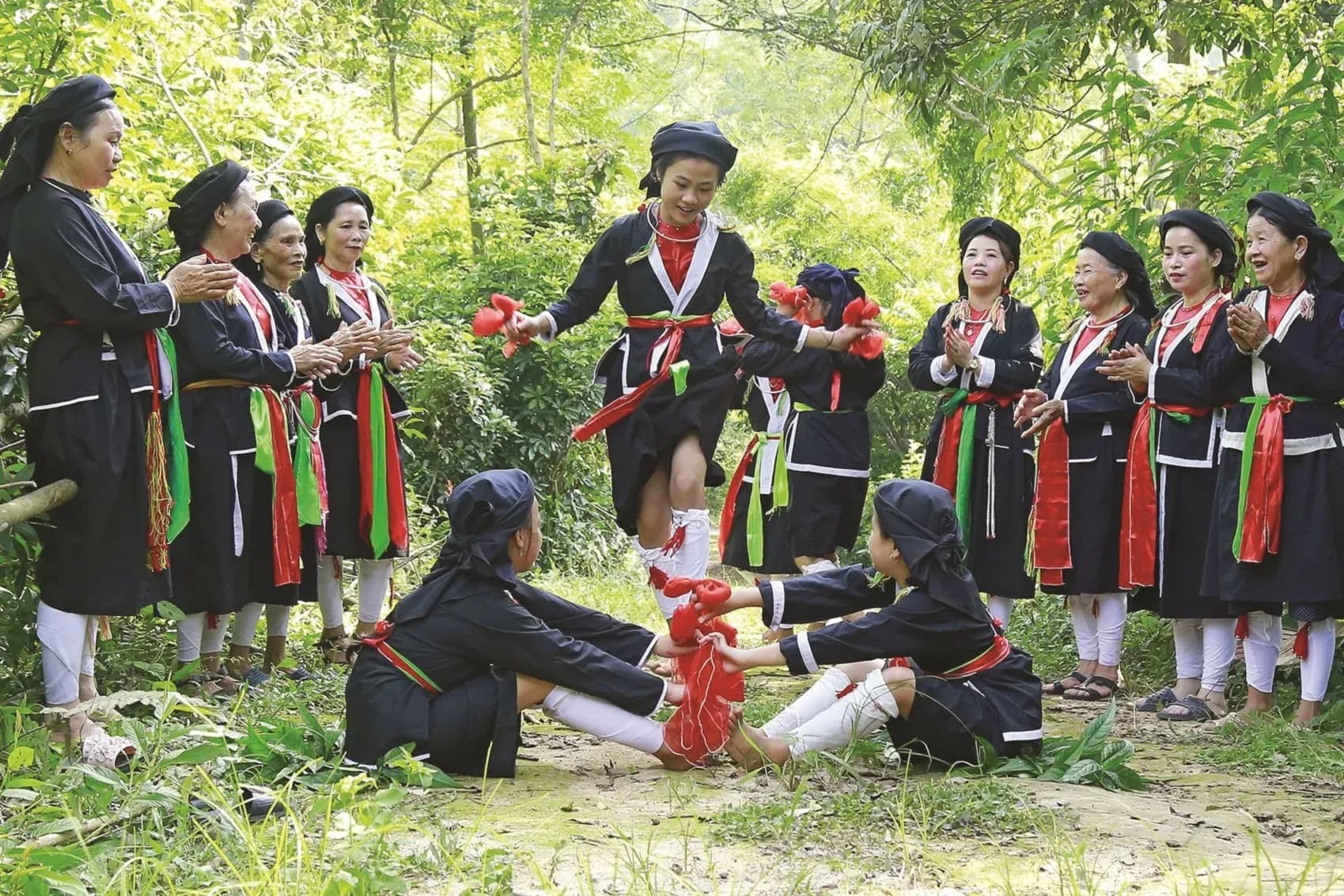
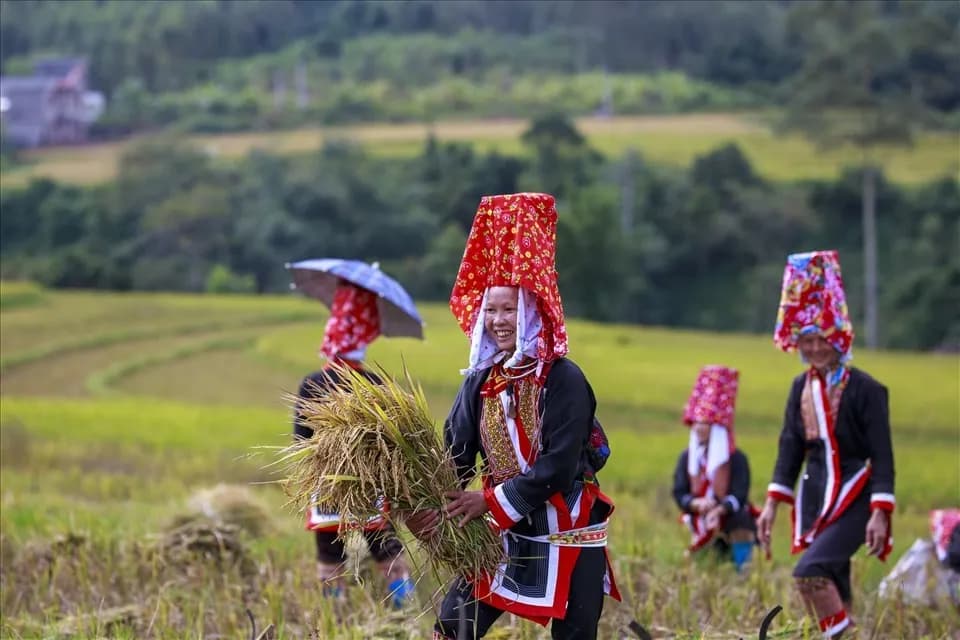
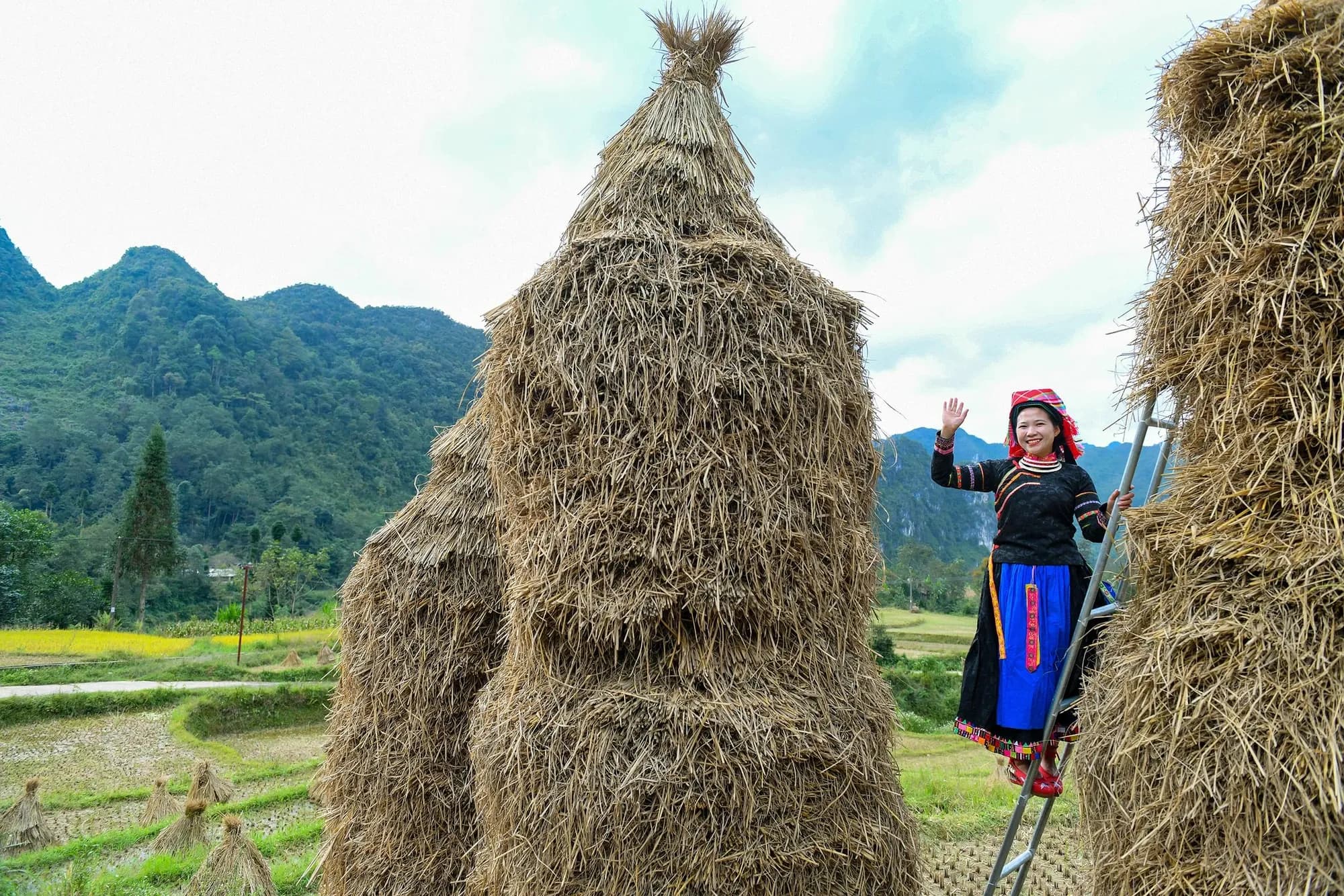
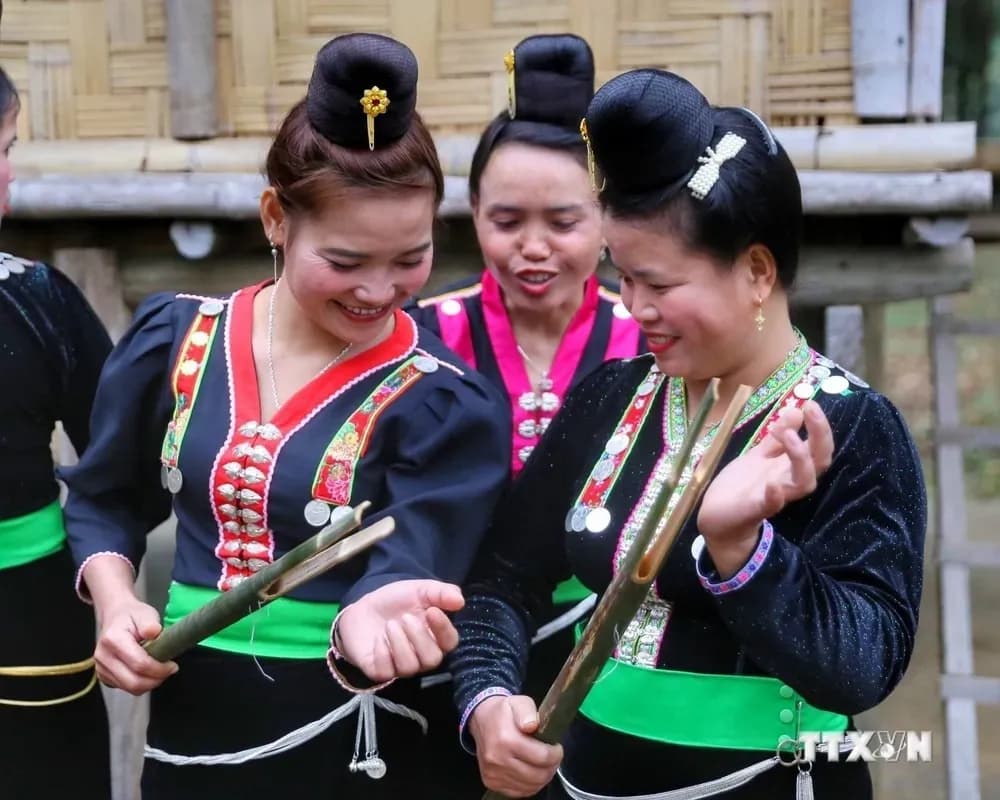
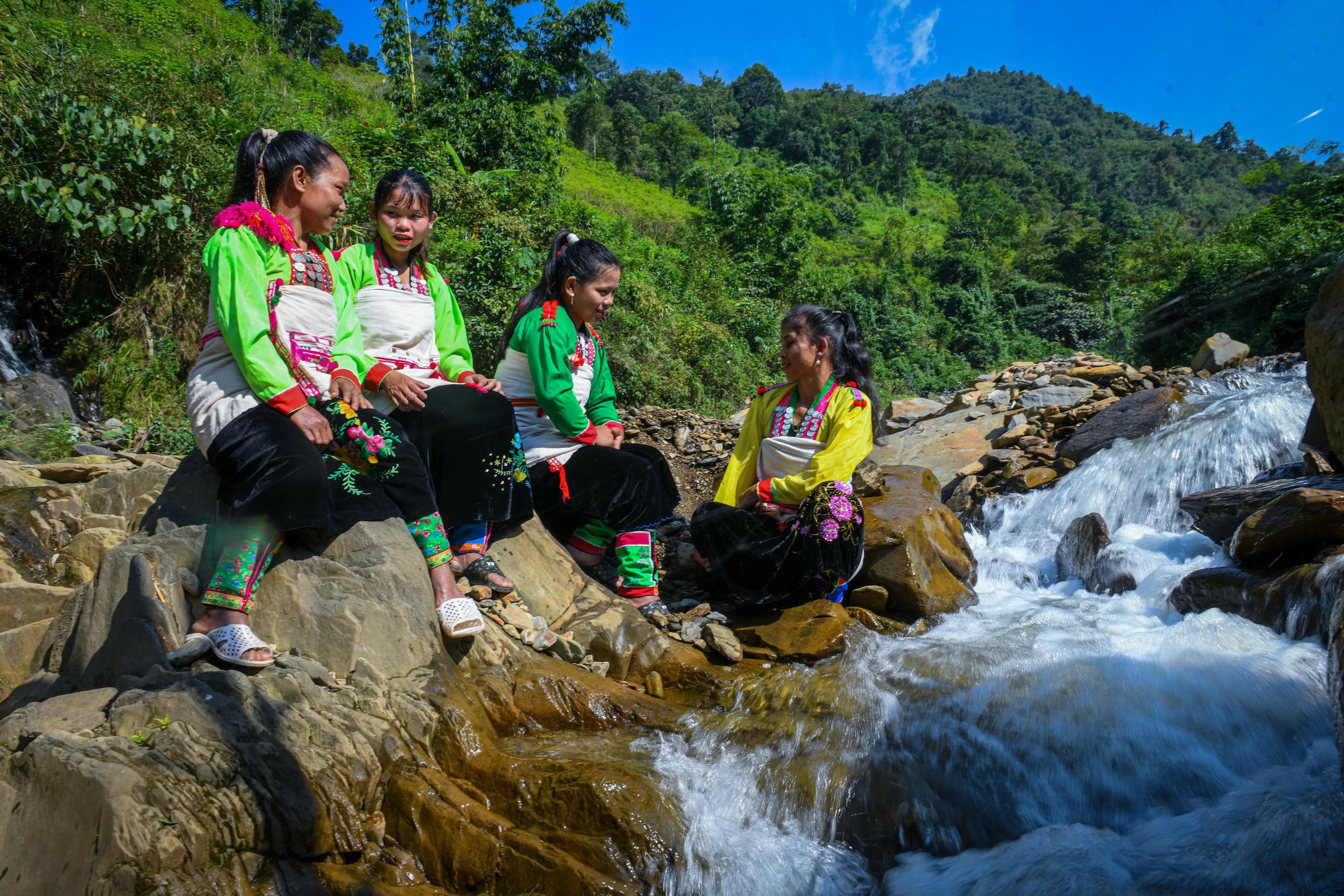
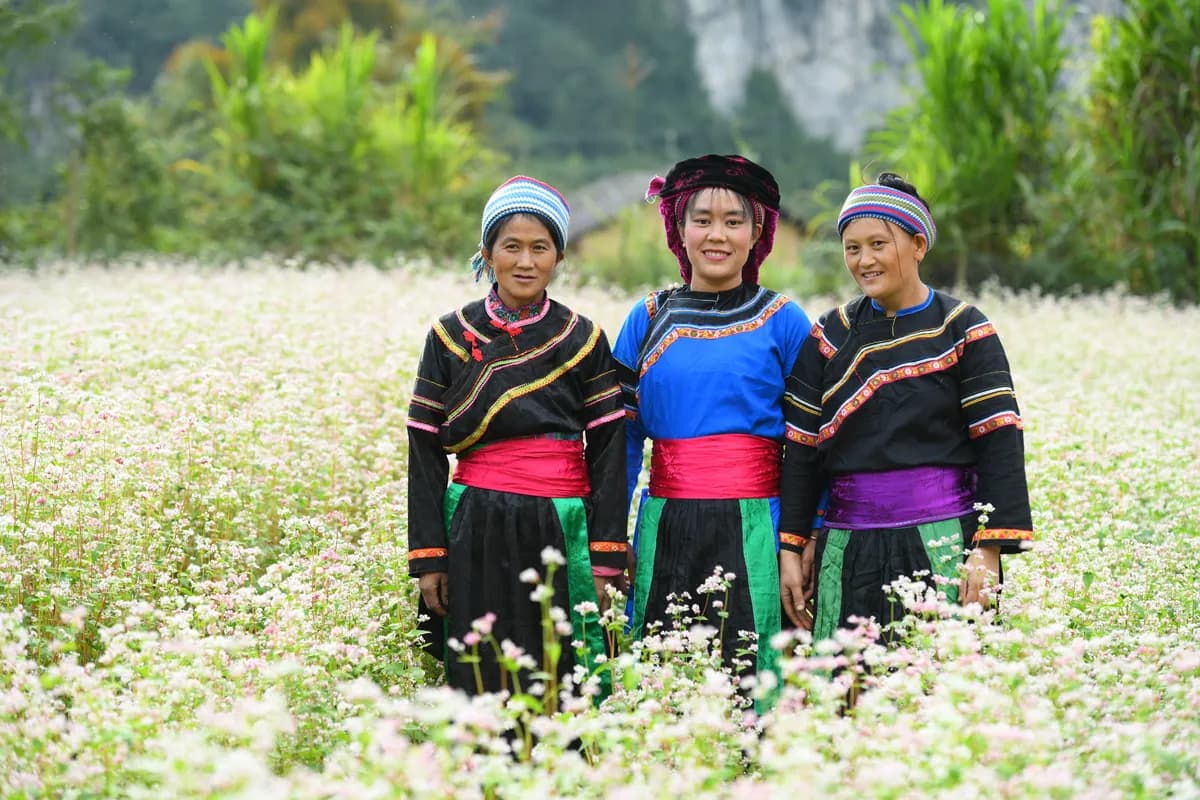
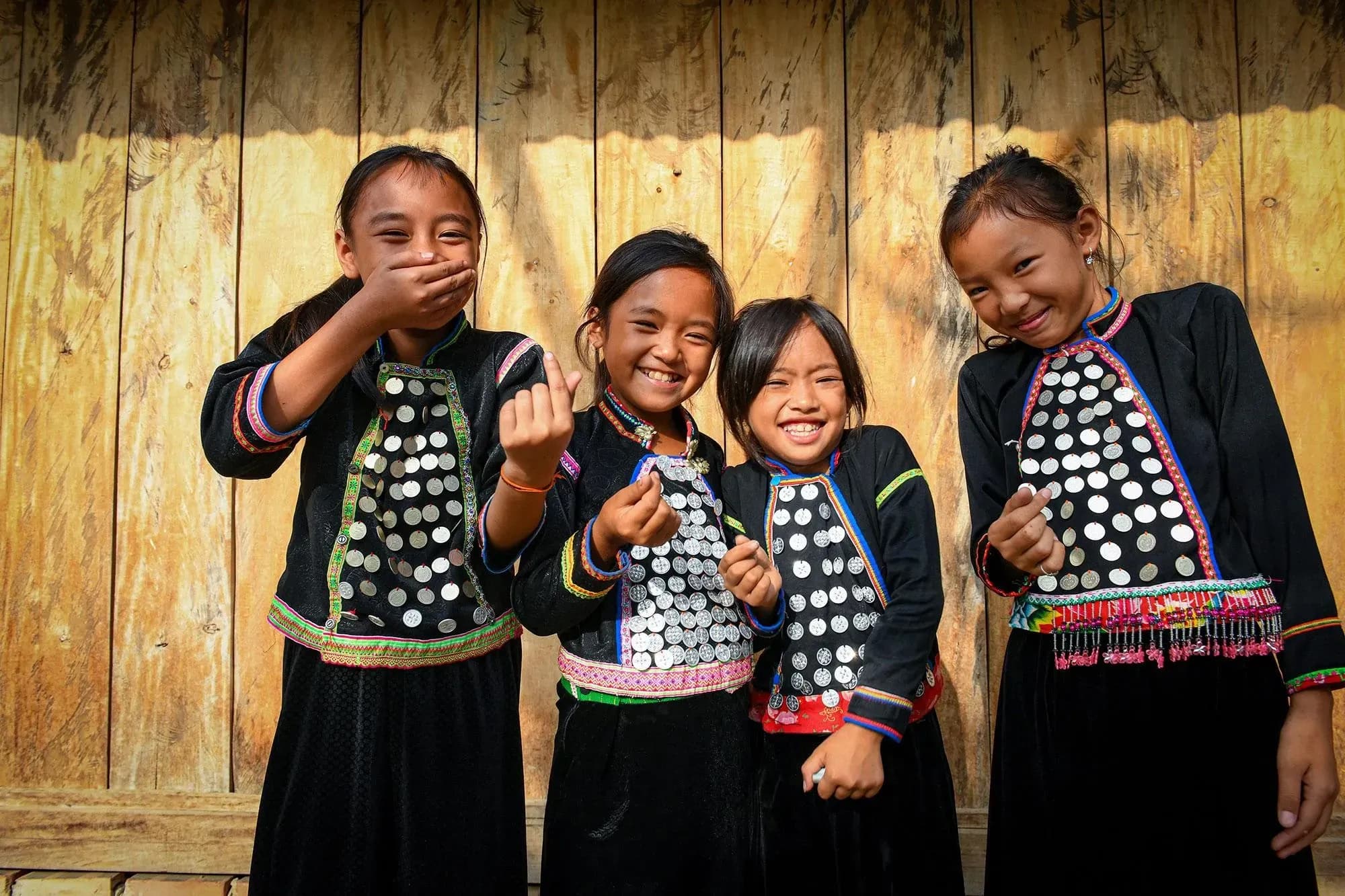
Traditional Costume: Women wear skirts, revealing their midriffs, buttoned on the right armpit, with the chest flap decorated with silver and aluminum coins; the collar and sleeves are decorated with different colored fabric stripes. The skirts are black or indigo, tucked in behind. Head scarves are distinguished by age and marital status. Women often wear bags woven from hemp. The custom of tooth dyeing is popular, men dyeing them red, women dyeing them black.
Cuisine: The Sila people eat plain rice. Daily food is usually things available in nature such as wild game meat, shrimp, fish, frogs, crabs, vegetables, tubers, fruits such as wild fern, water spinach, Malabar spinach, yam, bamboo shoots, seasonal mushrooms, insects, etc. Wild game meat is often boiled, stir-fried, cooked in soup, grilled, made into salad or pickled, dried, salted or fried and soaked in fat to preserve and store for later consumption. Shrimp, fish, and mollusks are often cooked in soup, dried, steamed, pickled or braised. Vegetables are often cooked in soup, boiled, stir-fried or used as spices.
Holidays: The Sila people celebrate the New Year in the beginning of the 12th lunar month and celebrate the New Rice Festival.
Beliefs: The Sila people worship their ancestors but only count back two generations, including parents, grandparents and all those above their grandparents who have passed away. Children only worship their deceased biological parents; from the grandparents' generation onwards, the head of the family worships them. The most important ceremony is to pray for the whole village to be free of illness and disease, and for pigs and chickens not to be caught by wild animals during the year. Every 7 years, they hold a ceremony to worship the rice spirit, using a net to catch fish and rice to guide the rice spirit from the fields to the village, to the house and then carefully store it in the granary.
6. Economic Conditions
Cultivating slash-and-burn fields and wet rice fields, growing corn, rice, cash crops, black sorghum, white sorghum, vegetables, spices, raising horses, buffaloes, cows, goats, chickens and ducks... The Sila people also have the craft of weaving. According to "Basic characteristics of 54 ethnic minorities in 2019" of the Ethnic Committee and the General Statistics Office:
- Poverty rate: 34.4%;
- Near-poor household rate: 13.4%;
- Unemployment rate: 0.70%;
- Percentage of trained workers with degrees and certificates: 17.0%;
- Proportion of labor working in non-agricultural sector: 16.0%;
- Proportion of workers in management or high and middle level technical jobs: 12.2%.
7. Educational Conditions
According to "Basic characteristics of 54 ethnic minorities in 2019" conducted by the Ethnic Committee and the General Statistics Office:
- Percentage of people aged 15 and over who can read and write: 68.3%;
- Primary school attendance rate: 100.0%;
- Percentage of people attending junior high school: 100.0%;
- High school attendance rate: 85.5%;
- Rate of out-of-school children: 6.1%.
Above is some interesting information about the Si La ethnic group, Vietnam. Let's plan to explore, meet and experience the culture with the Si La people in the near future with iGuide.ai!
References:
- Ethnic groups in Vietnam (National Political Publishing House Truth)
- Basic characteristics of 54 ethnic minorities in 2019 (Committee on Ethnic Minorities and General Statistics Office)
- Website of the Ethnic Committee, Website of Nhan Dan Newspaper
- The survey results collect information on the socio-economic status of 54 ethnic groups in Vietnam.