
Club author
Clubs · Jun 8, 2026 · 7 min read
Save
Share
Keep reading
authenticated by

Clubs · Jun 8, 2026 · 7 min read
Save
Share
Keep reading
iGuide Stories
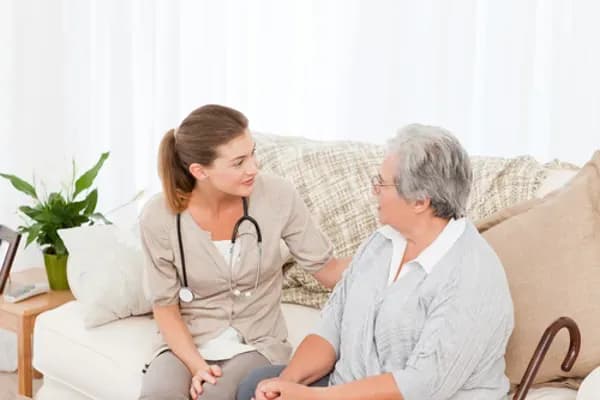
Home health care services are growing rapidly to meet the needs of customers who want to be seen without having to spend time traveling. Many hospitals and clinics, both public and private, have expanded this type of service and are similar to the operation of family doctor models. Types of home health care are often divided into two main groups: general care and specialized care.
Home health care servicesare now growing rapidly to meet the needs of customers who want to be examined without having to spend time traveling. Many hospitals and clinics, both public and private, have expanded this type of service and are similar to the operation of family doctor models.
Types of home health care are generally divided into two main groups: general care and specialized care.
Home health aides provide care and health support to elderly, sick, or disabled people, often in the patient's home. They may work for an agency or the patient's family. A home health aide may perform a combination of the following duties:
Home health aide jobs require several specific skills and certifications:
2.1. Education
Home health aides typically do not require a high school diploma or GED. However, many candidates already have one of these degrees. A college degree is not required to become a home health aide.
2.2. Training
Training is an integral part of becoming a home health aide. Aides who work for organizations or companies that receive Medicare or Medicaid funding must complete a state-approved training and assessment program. These are typically offered through community colleges or vocational schools, and they vary from state to state. States require 75 hours of training, 16 hours of supervised practice, and passing a state assessment and/or certification. Those who work for private companies are not bound by this law and are more likely to receive on-the-job training or other training from experienced aides at their company.
2.3. Certificate
In most states, certification is not required. However, some states do issue licenses, registrations, and other certifications for their home health aides. You will want to check your state’s laws before applying for a job. Here are two types of certifications you can choose from:
a. Certified nursing assistant (CNA)
Nursing assistants learn to provide safe, high-quality patient care. To become a CNA, you can enroll in a certificate program at a community college, vocational school, or high school. Most programs are a combination of classroom and clinical hours. Some classes are offered online.
b. Licensed vocational nurse (LPN)
An LPN learns how to take vital signs, collect samples, administer medications, and make patients comfortable. This certification is the next step after becoming a CNA. Community colleges and vocational schools often offer LVN programs that typically last between seven and 24 months. After completing a program, you must apply for a license and pass an exam.
c. Skills
Home health aides perform a wide variety of tasks. The breadth of this work requires home health aides to have a wide range of skills. They develop these skills through experience and on-the-job training. To be a successful candidate for a home health aide job, try to acquire the following skills:
d. Compassion
Home health aides often work with other people, often the elderly, the sick, or others who need care and assistance. One of the most important things home health aides can offer their patients is compassion. Compassionate aides are patient, kind, and empathetic. Their calm yet optimistic demeanor helps keep their patients upbeat.
e. Communication
Verbal communication is an essential skill for home health aides. Aides need to communicate clearly and effectively to safely lift, bathe, or physically assist patients. They may also need to communicate with the patient's family or with a supervisor.
f. Flexibility
While many home health aides have set schedules, they must always be prepared for change. Activities during the day may change due to a patient’s condition, or the aide may be called in at short notice to assist with an urgent matter. Flexibility helps the patient, and it also helps the home health aide keep their stress levels low.
g. Physical health and endurance
Home health aides are often required to lift, turn, and physically assist their patients. They are often the only person available who can do these tasks, so they need to be strong, fit, and energetic.
i. Time management
The exact duties of a home health aide can vary from day to day, but they are usually packed with activities. Home health aides need to take their time to ensure they complete all tasks, from dispensing medications to grocery shopping to helping their patients bathe. Strict time management ensures that they meet all expectations so that patients receive the best care.
Home health aide jobs can be found in a variety of settings, although most take place in a patient's home or residential facility. Here are some things that might be included in a home health aide's work environment:
If you want to become a home health aide, you can follow these steps:
4.1. Accumulate experience
Most home health aide positions require some experience in the health care field. If you can, gain experience through another job, internship, or apprenticeship. Caring for an elderly relative or family friend can also be a rewarding experience.
4.2. Trained
If you want to bolster your resume, you might consider pursuing a certificate or other health-related training program. First aid and CPR certifications can be helpful first steps. Check out what programs are offered at your local community college, trade school, high school, and hospital.
4.3. Build your resume
Be sure to tailor your cover letter to the specific job environment you are applying for, such as an agency or individual. Include all of your credentials, certifications, and experience in your resume.
4.4. Job Search
You can start your job search online. You can also do some in-person searches. Look into all the different healthcare and residential settings in your area, such as senior living facilities and retirement communities.
As such, the role of a healthcare assistant will be responsible for household tasks such as cooking, cleaning and laundry, as well as accompanying patients to local doctor appointments and running errands. Must be comfortable assisting patients with personal care and health monitoring. The successful candidate will maintain accurate and up-to-date care records while providing a safe, caring and comfortable environment for all patients.
If you are a foreigner who needs to use medical services while traveling in Vietnam, your medical benefits will be supported as Vietnamese citizens. To ensure your medical benefits are best guaranteed, you should go with an interpreter to exchange and receive information fully and effectively. If you are a foreigner who needs to use medical services while traveling in Vietnam, your medical benefits will be supported as Vietnamese citizens. To ensure your medical benefits are best guaranteed, you should go with an interpreter to exchange and receive information fully and effectively.
© Copyright of articles belongs to the author group of iguide.ai or cited as required.
Articles by iguide.ai For reference only, not a substitute for diagnosis or treatment.
In the process of synthesizing and sharing information, volunteers/collaborators/members are hard to avoid shortcomings. We hope readers sympathize and give positive comments to help iguide.ai become more complete and developed.
Log in to leave a comment. Log in
Be the first to comment.
Curate
Sign in to curate
React to this story
