
Club author
Clubs · Jun 8, 2026 · 5 min read
Save
Share
Keep reading
authenticated by

Clubs · Jun 8, 2026 · 5 min read
Save
Share
Keep reading
iGuide Stories
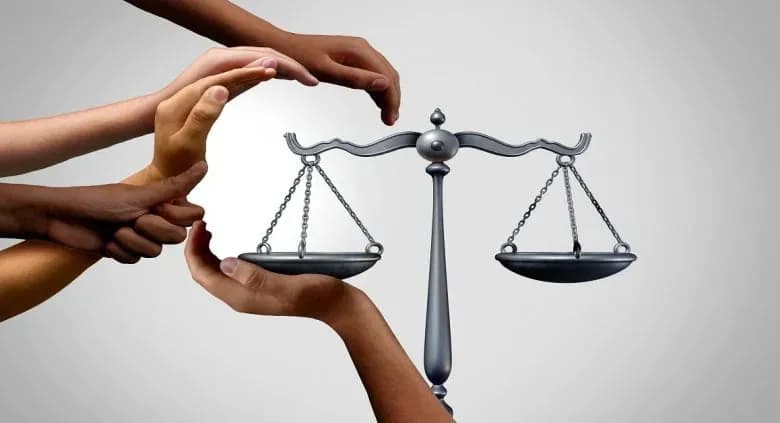
The social system and legal balance are indispensable factors in maintaining a nation's stability and development. This article will explore how these two elements interact and support each other to ensure a fair and sustainable society in Vietnam.
The legal system plays an important role in ensuring justice and protecting the rights of everyone in a society. It is not only the basis of legal power but also a tool to create a fair environment, protect individual rights and maintain social stability. Below is an extensive study of the legal system's role in promoting justice and protecting people's rights.
The legal system provides the legal framework for society, defining the rules and principles that people and organizations must adhere to. In this context, it has a particular responsibility for ensuring that people are treated fairly in all aspects of life. The law creates opportunities for everyone to have equal rights, freedoms and responsibilities, regardless of personal characteristics such as gender, religion, race or social status.
One of the main roles of the legal system is to protect people's rights through the administration of justice. Rules and regulations are designed to ensure that no one is looked down upon or treated unfairly. The legal system provides opportunities for people to seek justice through the judicial system, while imposing penalties for violations of the law, protecting the rights of victims and society. in general.
Another important aspect of the legal system is legal security. When people believe in the fairness of the legal system, they are motivated to comply and respect the law. This helps maintain social stability and prevent opposition or unrest. Community support for the legal system is key to building a secure and just society.
In addition, the legal system plays an important role in ensuring transparency and accountability in managing the affairs of governments and organizations. Having clear rules and principles of transparency helps prevent abuse of power and promotes honesty and transparency in the day-to-day operations of regulators.
The legal system also plays a role in resolving disputes and conflicts in society. The means of dispute resolution proposed by the law help prevent self-discipline and help people resolve conflicts fairly and on the basis of the rule of law.
However, for the legal system to be effective, there needs to be consensus and compliance from the community. Legal education needs to be strengthened to create legal awareness, helping people clearly understand the rules and values of the legal system. In addition, there is a need for continuous improvement of the legal system to respond quickly to challenges and changes in society.
In short, the legal system plays an undeniable role in ensuring justice and protecting people's rights. It not only creates a legal basis for fairness but also ensures transparency, legal security, and conflict resolution. Community support and compliance is key to the legal system being able to achieve this goal and ensure a fair and stable society.
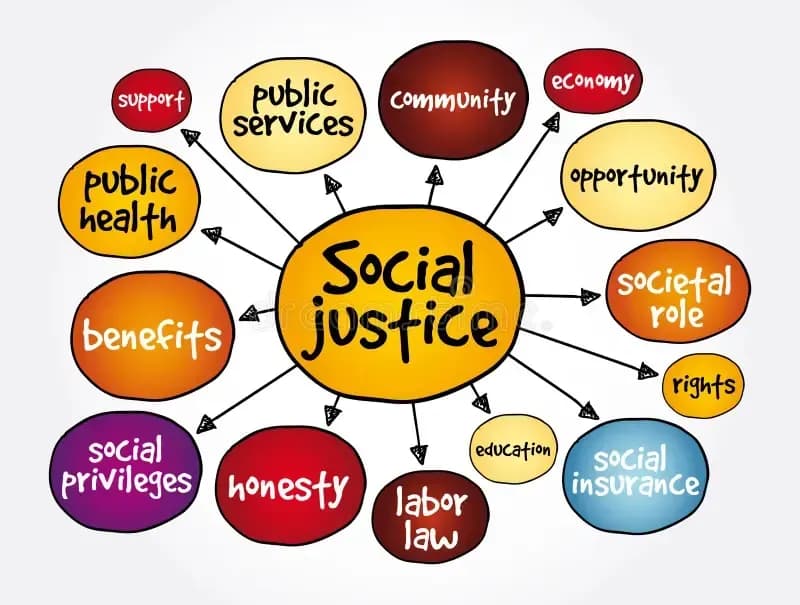
Comparing societies that have strong and fair legal systems with those that do not provides insight into the decisive role the legal system plays in the development and stability of a community.
In a society with a strong and fair legal system, one of the outstanding features is the guarantee of justice and protection of everyone's rights. The legal system is about protecting citizens, setting transparent and fair rules to ensure that everyone is treated equally before the law, regardless of status or power. These regulations help create a fair environment where everyone has equal opportunities and responsibilities.
Meanwhile, in places without strong legal systems, instability and inequality often appear. Lack of transparency and fairness in the legal system can lead to abuse of power, corruption, and unfair application of the law. This could create a divided society where some benefit more than others, reinforcing inequality and uncertainty about jurisdiction.
Societies with strong legal systems often have a stable and favorable business environment for investment. Transparency in the legal process creates trust from businesses and investors, reduces legal risks and enhances profit opportunities. At the same time, fair enforcement of the law helps ensure the rights of businesses and prevent unfair competition.
On the contrary, in places without strong legal systems, the business environment is often risky and unstable. Lack of transparency and guarantees of fairness can lead to corruption and uncertainty about jurisdiction. This reduces business and investment confidence, reduces economic development momentum and creates an unfavorable environment for investment and sustainable development.
Another important aspect is security and social stability. In societies with strong legal systems, compliance and respect for the law help maintain security and order. The community has confidence in the justice system and support in law enforcement. Conversely, in places without strong legal systems, uncertainty and lack of trust in the legal system can lead to conflict and social unrest.
Finally, the legal system also plays a role in promoting sustainable development and social dialogue. In societies with strong legal systems, rules and regulations can shape behavior and political decisions in positive ways. Transparency and accountability in community management help create opportunities for the participation of all stakeholders.
Meanwhile, in places without strong legal systems, there is a lack of transparency and political decisions can be influenced by power and personal interests. This can reduce community consensus and contributions, posing a great challenge to sustainable development and social progress.
In sum, the difference between societies with strong and fair legal systems and those without is stark. The legal system is not only a tool to ensure justice but also a foundation for the stability, security, and sustainable development of a community. Compliance and support from the community are crucial for the legal system to be able to perform its role effectively and to benefit society as a whole.
Log in to leave a comment. Log in
Be the first to comment.
React to this story
Curate
Sign in to curate
