
Club author
Clubs · Jun 8, 2026 · 4 min read
Save
Share
authenticated by

Clubs · Jun 8, 2026 · 4 min read
Save
Share
iGuide Stories
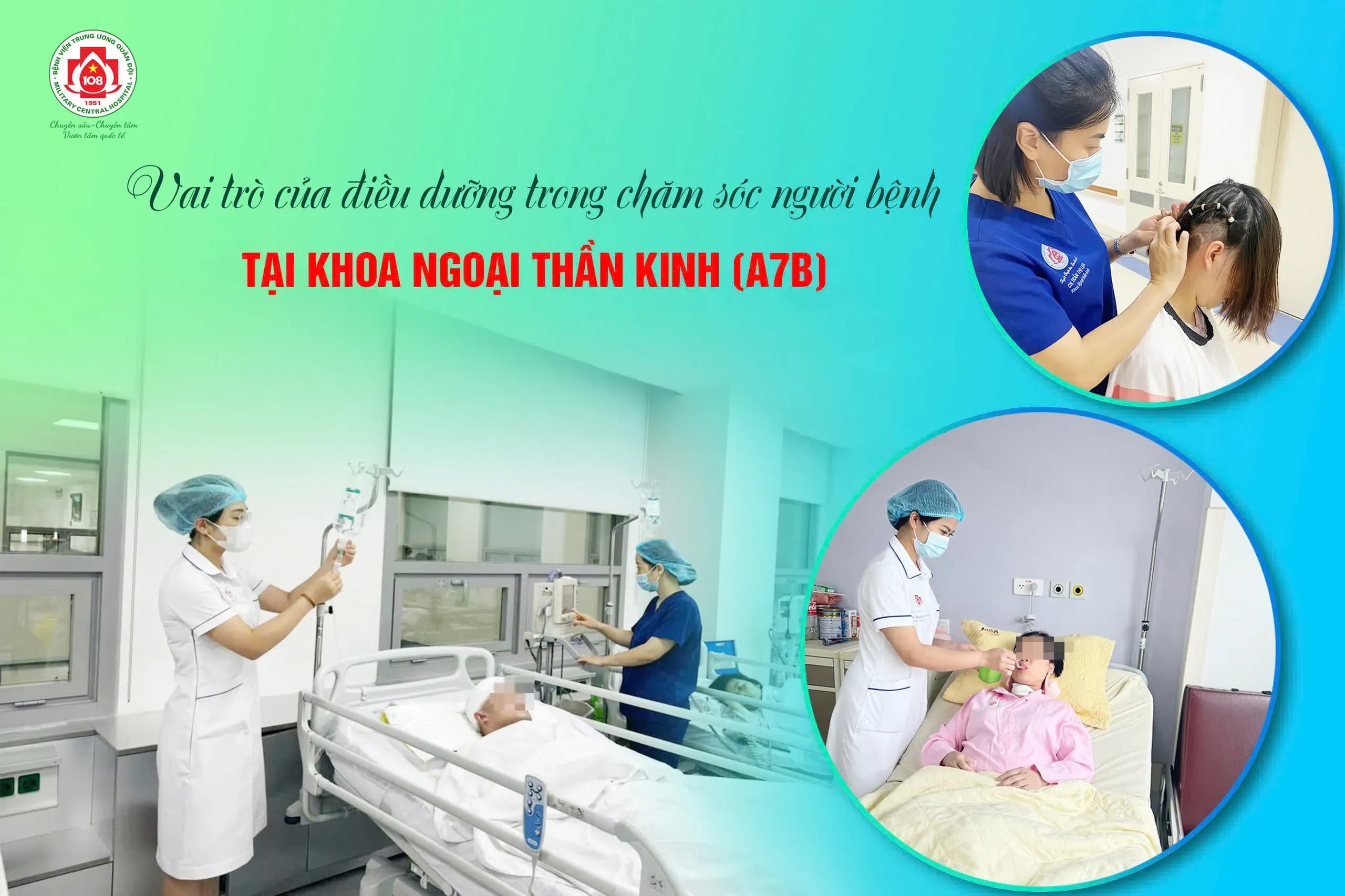
Nursing plays an extremely important role in medical facilities. Nursing is not just a job, it is a mission to care for and help those who need special attention and care. With the task of supporting and coordinating with doctors, implementing medical orders in their profession, nurses have contributed to improving the quality of medical services, protecting and caring for the health of the community.
As a specialized department that treats diseases of Neurosurgery, including diseases of the skull and spine. The Neurosurgery Department performs more than 250 surgeries per month. Most of them are brain and spine surgeries with high risks and possible complications, requiring nursing care to always be focused on, even during the post-operative period. Meanwhile, the majority of nurses in the department are women. Every day when leaving their own home to come to the common house 108, we nurses are busy with our work. Therefore, during the working process, each nurse tries to concentrate highly, puts responsibility and expertise first, especially always keeping a warm heart and a cool head, ensuring accuracy in work, because just a moment of distraction can cause complications that affect the patient's life.
Caring for patients with traumatic brain injury requires nurses to be patient, careful and always closely monitor their perception, consciousness and respiration. During shifts, there are cases of severe traumatic brain injury, risk of epilepsy, progressive cerebral edema, brain herniation causing the patient to quickly fall into a coma, which can be life-threatening or leave serious sequelae, so nurses are required to promptly detect abnormalities and risks of the patient. Thanks to that, many patients have been detected by us in time, saving their lives without leaving sequelae and burdens for their families and society.
Similar to patients with traumatic brain injury, patients with large brain tumor surgery are at risk of postoperative bleeding, cerebral edema, and epilepsy, which are issues that require special attention and care.
For patients with cervical spine injuries, there are cases where severe damage has caused them to lose all sensation from the neck down, with the risk of respiratory failure and cardiac arrest at any time. These patients are not only physically exhausted but also mentally exhausted. Some patients have told us: "I feel like my whole body is dead and only my head is alive." Hearing that, we feel heartbroken and deeply sympathize with the losses that patients have to endure. We - accompanying the patient, sharing the patient's pain, but on the outside always try to smile optimistically to add strength, encourage, share mentally, do everything possible to bring the most comfort to help the patient relieve some of the pain and discomfort.
In addition to monitoring and care, aseptic work in daily surgical wound dressing changes is also very demanding. Nurses must always update their knowledge of infection control in hospitals, apply absolute surgical sterilization in patient care such as surgical wound care, drainage, etc. Prevent cross-infection between patients, prevent surgical wound infections, brain infections, meningitis, etc.
Regarding post-operative care and recovery, we are responsible for preventing post-operative complications such as muscle atrophy, joint stiffness, pneumonia due to prolonged lying down, instructing patients on early movement, and practicing post-operative rehabilitation. In addition, nutrition is also very important. Patients need to be provided with nutrition, but depending on the disease and surgical method, nurses will provide nutrition through intravenous fluids, oral feeding, and feeding drainage. Nurses will pump feed seriously ill patients, provide health education, instruct on wound care, and diet and exercise upon discharge for patients and their families.
In addition to completing assigned tasks, we also spend time improving our knowledge, learning and participating in scientific research, sharing experiences, caring and sharing with colleagues and sisters in the department to help each other overcome difficulties in life. After a productive day at work, we return to our families to be good wives and mothers, taking care of our family.
With the 'specialty' of a department with a majority of critically ill patients requiring special care, we know that no gift can compare to witnessing the recovery of patients when they are discharged from the hospital. And we - nurses in general and nurses in the Neurosurgery department in particular - always remind ourselves that every day that passes is a day of dedication, every minute that passes is a battle to regain life for everyone.
If you are a foreigner who needs to use medical services while traveling in Vietnam, your medical benefits will be supported as Vietnamese citizens. To ensure your medical benefits are best guaranteed, you should go with an interpreter to exchange and receive information fully and effectively.
© Copyright of articles belongs to the author group of iguide.ai or cited as required.
Articles by iguide.ai For reference only, not a substitute for diagnosis or treatment.
Tran Thi Lua, Department of Neurosurgery (A7B), 108 Central Military Hospital
Keep reading

By Dat Provider
By Dat Provider
By Dat Provider
By Dat Provider
By Dat Provider
By Dat Provider
By Dat Provider
By Dat Provider
Log in to leave a comment. Log in
Be the first to comment.
Curate
Sign in to curate
React to this story