Save
Share
Keep reading
authenticated by

Save
Share
Keep reading
Fish Sauce
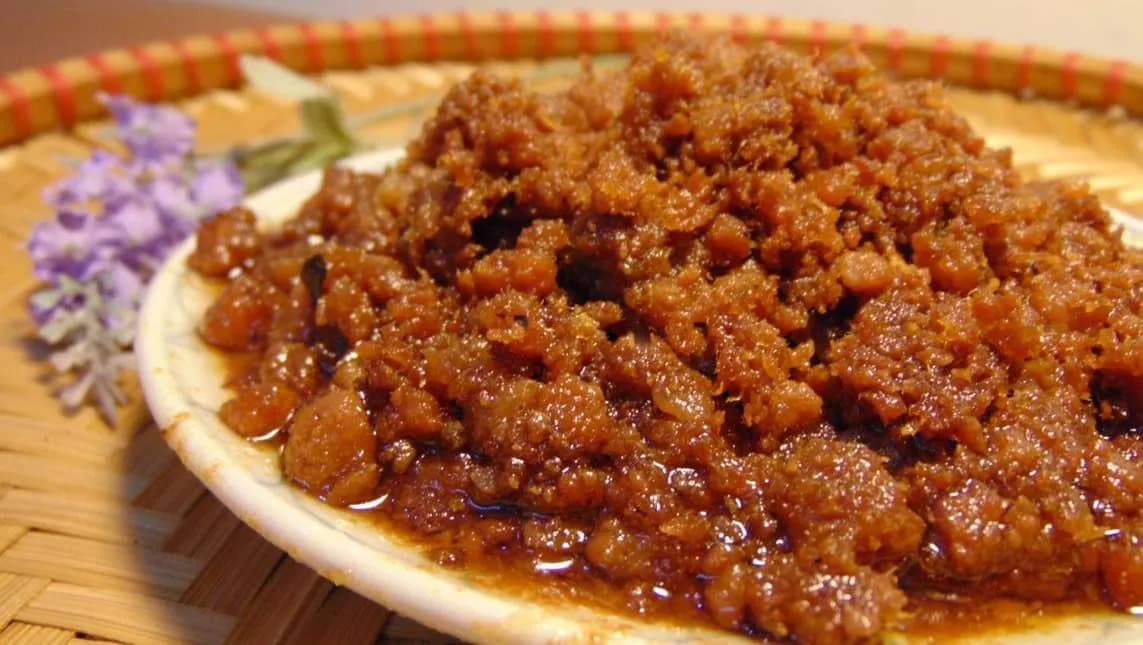
Through the ups and downs of time, Ha Yen shrimp paste - a rustic dish - is still preserved and developed by the local people, becoming one of the famous specialties of Thanh Hoa, Vietnam. The people of Yen Duong commune (formerly Ha Yen and Ha Duong communes), Ha Trung district, no one remembers when the shrimp paste making profession began. They only know that, since ancient times, this rustic dish has been famous and was chosen by our ancestors to present to the king, so it has another name "Royal shrimp paste".
According to the elders, the reason why the fish sauce is called “Royal Shrimp Paste” is because since ancient times, this place has had this type of fish sauce with a famous delicious flavor. Every Tet holiday, the people in the area often choose the best jars of fish sauce to present to the king. The fish sauce is made from small, clear green shrimp, only found in the Hoat River (the section flowing through the area). It is this shrimp that has created the brand of the famous royal shrimp sauce in Thanh land.
Shrimp paste can be made in many places, but the shrimp paste of Dinh Trung village has a special color and flavor. This is a village along the Hoat River with a long tradition of making shrimp paste, surrounded by vast fields of water. In the 11th and 12th lunar months, the whole village goes to the fields to catch shrimp. The villagers think of ways to process the shrimp into other dishes that can be preserved for a longer time. From then on, Ha Yen shrimp paste appeared and became an indispensable dish in family meals of people in the area.
As one of the people with many years of experience in the profession, Ms. Ha Thi Lan (64 years old) in Dinh Trung village shared: "To have the most delicious shrimp paste, people here have to go fishing for shrimp - a small type of shrimp that lives in algae - all over the Hoat River, Tam Diep River, surrounding canals and low-lying fields".
According to Ms. Lan, shrimp fishing takes place all year round, but the busiest time is from October to December of the lunar calendar, when the shrimp are mature, delicious and fattest.
Shrimp catching tools include bamboo and rattan hand-made paddles used to push shrimp in the water, and baskets to scoop and hold the shrimp. Shrimp often live in places with lots of moss. People usually go shrimp catching early in the morning (5-6am), and if it is cold, later, around noon.
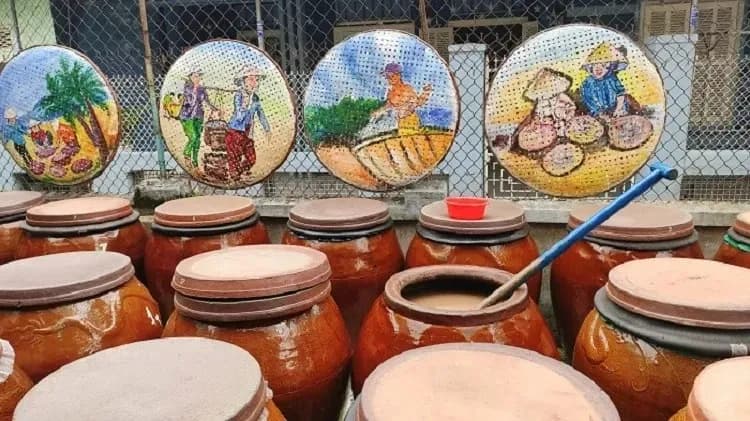
After being caught, the shrimp are cleaned of moss and other fish, washed and drained. Then, the shrimp are marinated in a ratio of 10 bowls of shrimp, 4 bowls of salt and 2 bowls of rice powder (crushed roasted rice), mixed well until the shrimp turn red. Next, the shrimp are put into a ceramic jar (the jar must be soaked in wine lees for many days), filled with water, and covered tightly. “Depending on the season, the shrimp paste can be pickled immediately or for a long time. The shrimp paste can be used after 1 to 2 months of pickling, but usually the best is after 6 months of pickling. The longer the shrimp paste is kept, the better it is,” said Ms. Nguyen Thanh Hue (35 years old), Dinh Trung village.
Ha Yen shrimp paste is a delicious and nutritious dish, but this profession is gradually fading away and is at risk of being lost as there are fewer and fewer shrimp catchers, mainly middle-aged women. The water sources of Tam Diep and Hoat rivers are increasingly polluted, and deep fields and low-lying swamps are also gradually shrinking.
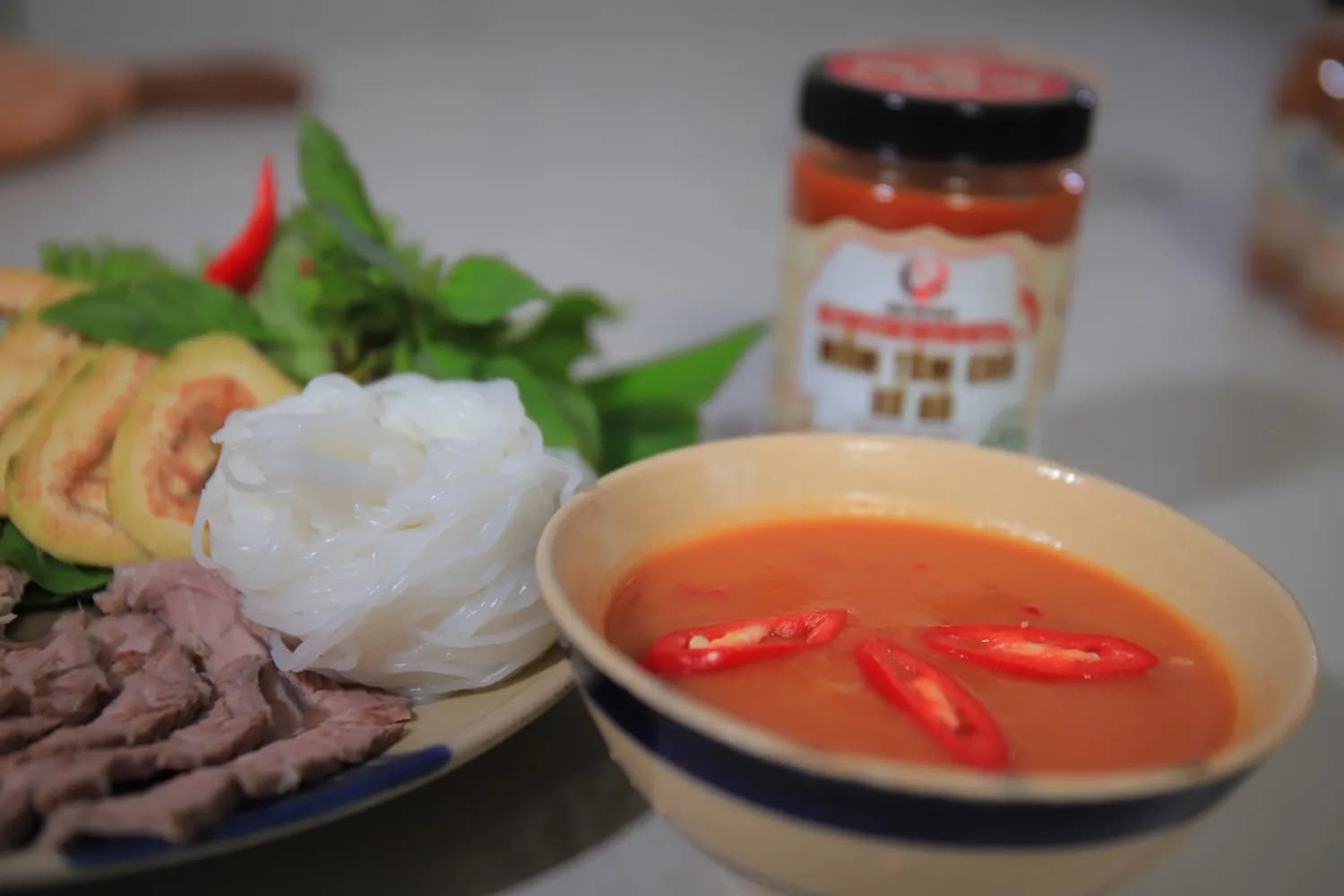
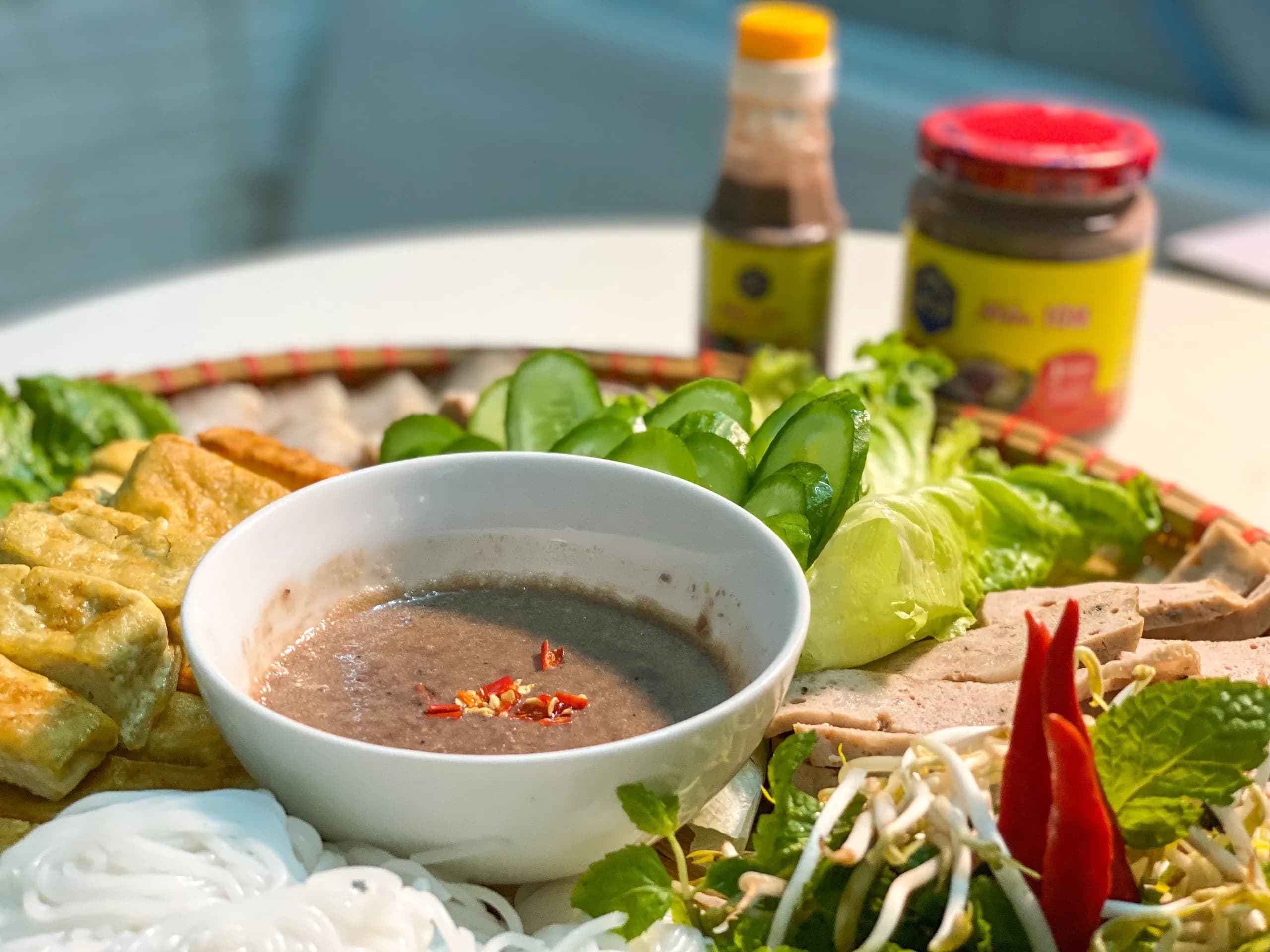
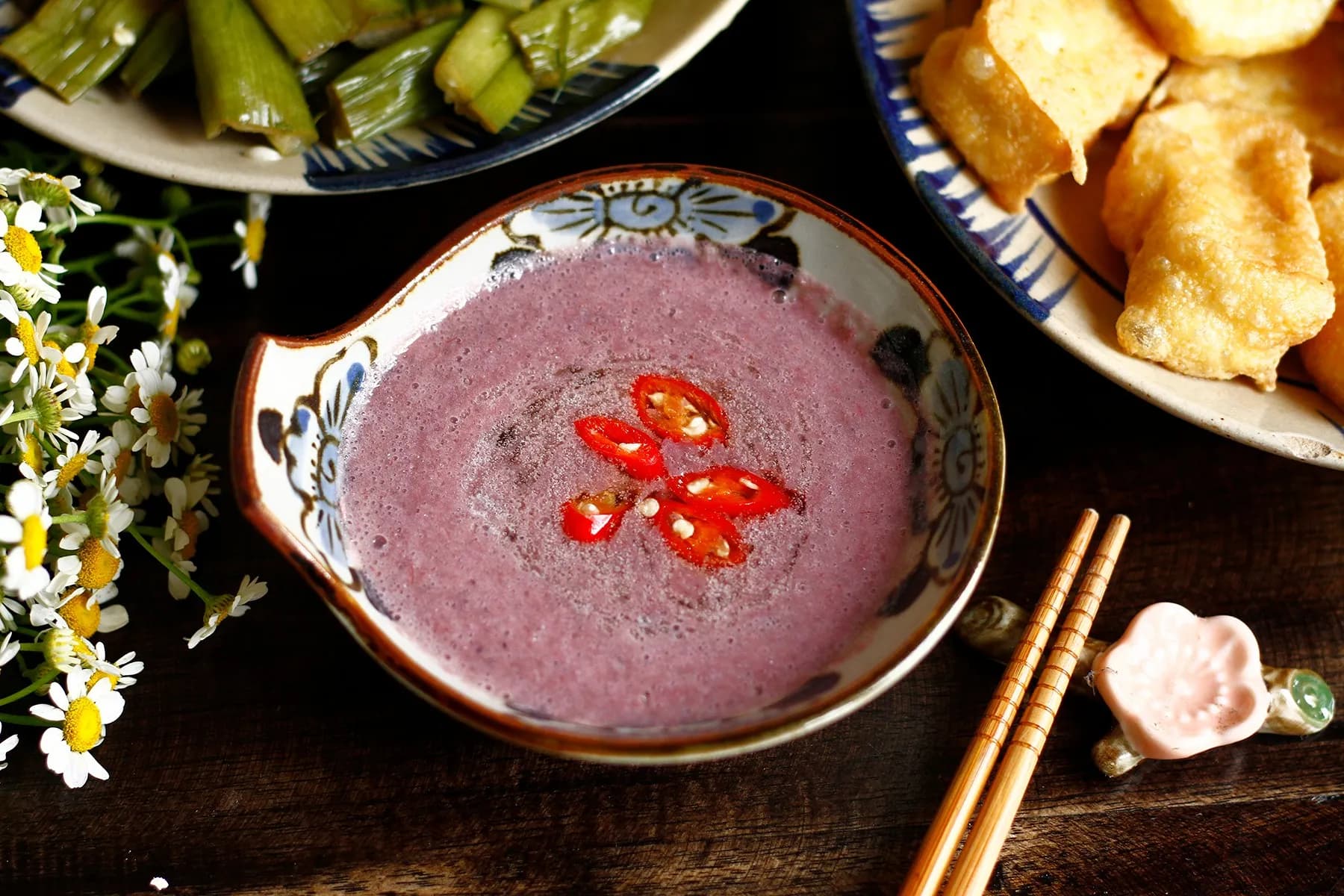
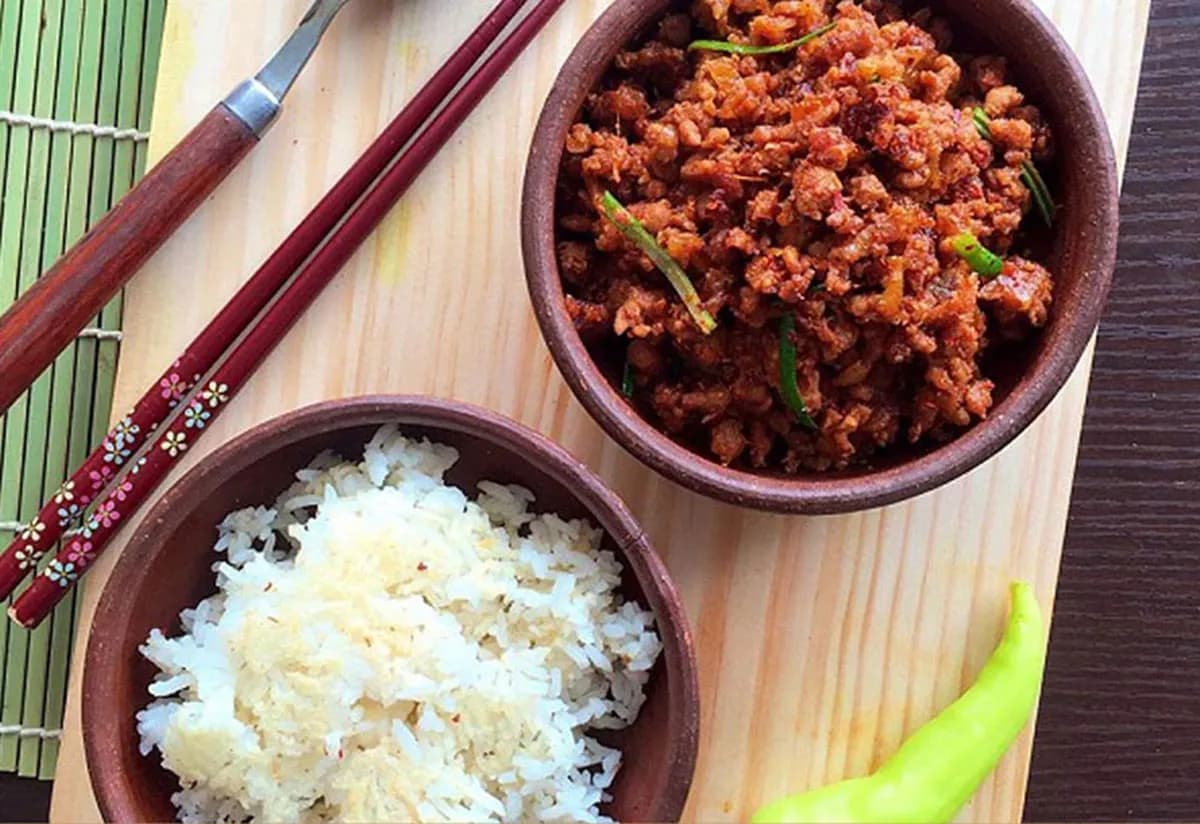
The shrimp paste here is prepared simply: just add a little sugar and MSG, stir well and steam it to serve. In addition, shrimp paste stewed with meat is also a unique dish. The sauce dipped with boiled foods such as pork belly, pickled eggplant, and vegetables are indispensable delicacies, especially during Tet.
Log in to leave a comment. Log in
Be the first to comment.
Curate
Sign in to curate
React to this story